Welcome back to the Short Leash
Welcome back to the Short Leash
June 23, 2026
Every other week, we bring you the latest developments in canine nutrition, health, and the pet food industry, along with research, expert perspectives, and thought-provoking conversations that help make sense of it all. Our goal is simple: to keep you informed, curious, and connected to the ideas shaping the future of dog nutrition.
As you read through this edition, you'll also find a link to our companion podcast episode, released this Sunday, June 28, 2026, where we take a deeper dive into the stories and topics featured below.
Let's get into it.
Owner-reported prevalence and severity of fear and anxiety in dogs | Veterinary Research Communications

A large study from the Dog Aging Project found that fear and anxiety are extremely common in companion dogs. Among more than 43,000 dogs, 91% showed at least mild-to-moderate fear or anxiety in one or more everyday situations, including encounters with unfamiliar dogs, grooming, new environments, loud noises, and unfamiliar people. Fear of unfamiliar dogs was the most common concern, followed by grooming-related fear, noise sensitivity, and fear of unfamiliar people. The findings highlight fear and anxiety as widespread welfare issues that can affect quality of life, making early recognition and support especially important.

The FDA Just Approved a New Medication for Dogs With Separation Anxiety
New FDA-approved therapies are expanding treatment options for common canine health conditions, from allergies and anxiety to heart disease. One of the latest approvals is NUMELVI, a once-daily medication for dogs with allergic dermatitis that provides targeted itch relief. The growing pipeline of specialized treatments reflects increased investment in pet health and a broader shift toward proactive, long-term care for chronic conditions.
As veterinary medicine advances, dog owners have more options than ever to manage chronic health issues and improve quality of life. The challenge is choosing the approach that best balances symptom relief, overall wellness, and long-term health goals.

New Longevity Drug Trial Could Help Dogs Live Longer
A major clinical trial is underway to determine whether a new anti-aging drug, LOY-002, can help senior dogs live longer, healthier lives. The four-year STAY trial includes approximately 1,300 dogs across the United States and is one of the largest veterinary longevity studies ever conducted. Unlike treatments that target specific diseases, LOY-002 is designed to address the biological processes of aging itself. While results are still years away, the study reflects growing interest in extending both lifespan and quality of life in companion animals and could provide insights relevant to human aging research as well.
Rethinking How We Talk About Pet Obesity
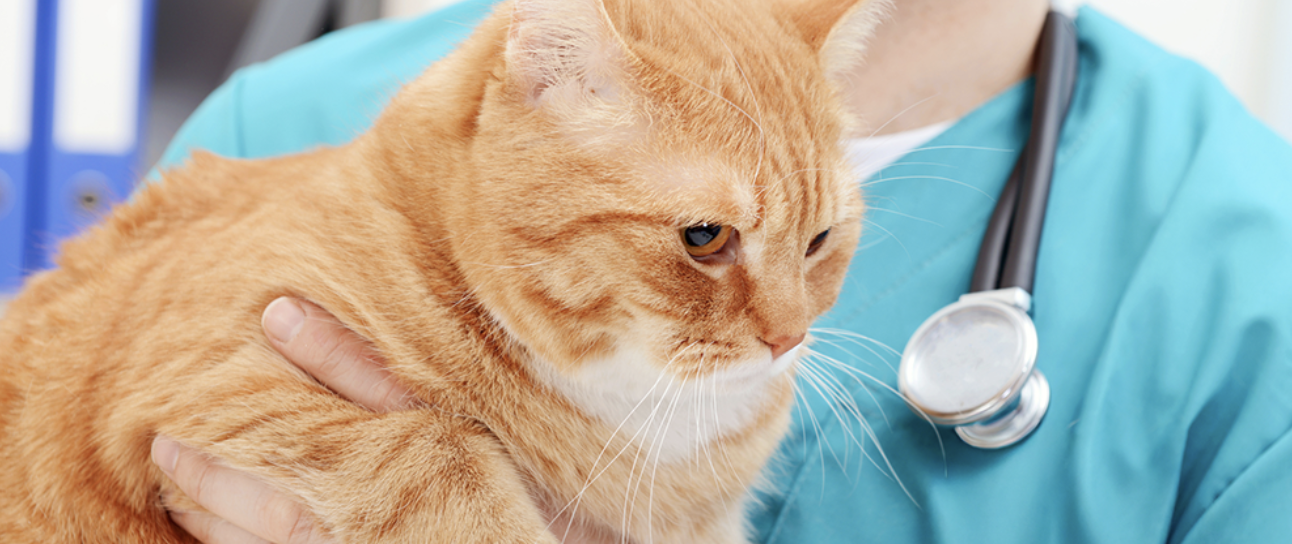
When it comes to pet obesity, the words we use may influence whether owners take action. A recent article in Today’s Veterinary Business argues that terms like “chonky,” “fluffy,” or “big-boned” can unintentionally downplay the serious health risks associated with excess body fat. Instead, some veterinary professionals are advocating for the term “clinical obesity,” which frames obesity as a medical condition rather than a personality trait or appearance issue. The goal is to encourage more productive conversations between veterinarians and pet owners, reduce stigma and blame, and improve treatment adherence. As obesity rates continue to rise in dogs and cats, proponents believe clearer, more compassionate language could help owners recognize obesity as a treatable disease linked to conditions such as diabetes, osteoarthritis, respiratory disease, and reduced lifespan.
New Research Highlights a Functional Approach to Oral Health
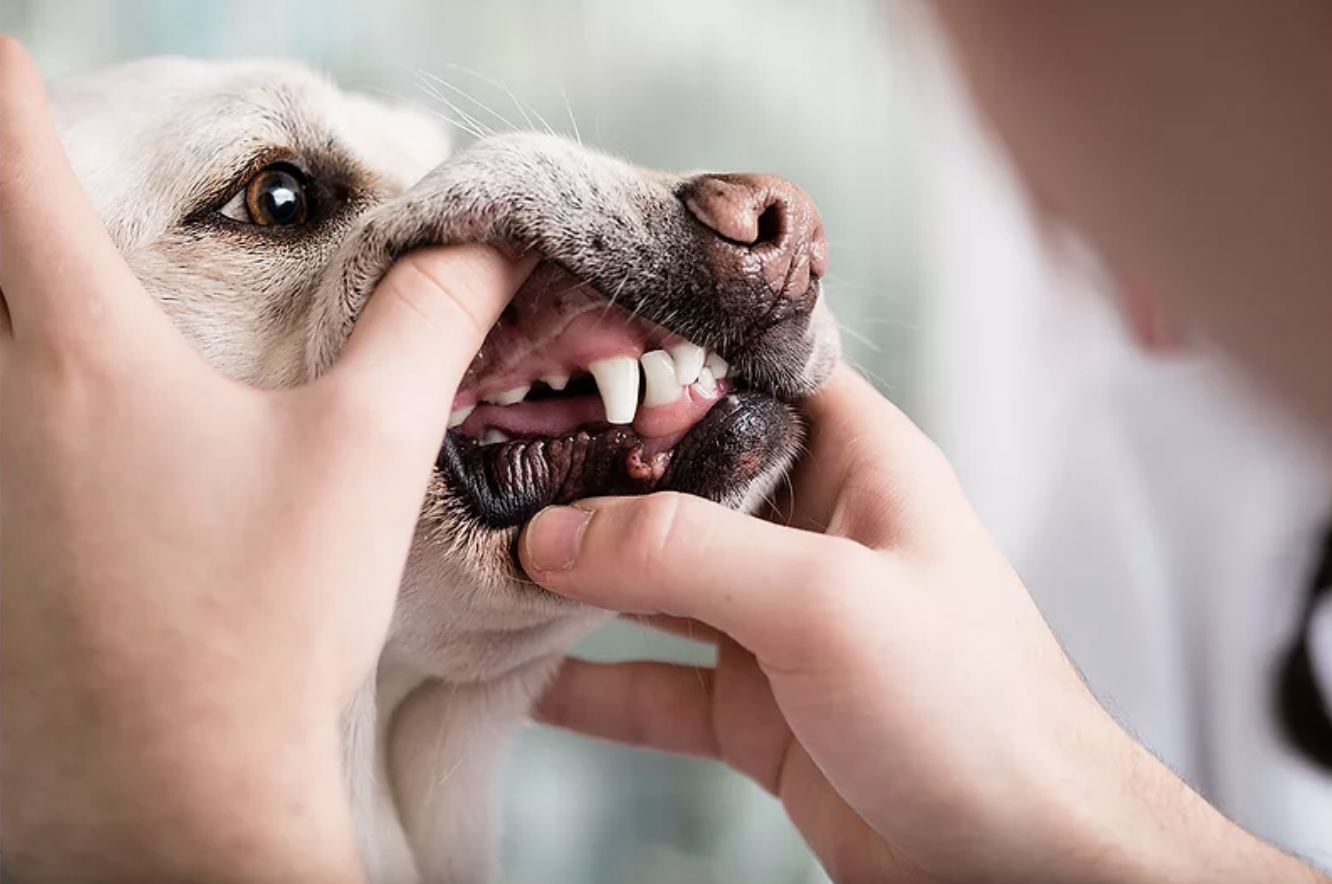
Oral health remains one of the most overlooked aspects of canine wellness, despite its connection to systemic health and quality of life. New research highlighted by Pet Food Processing found that Kingdom Supercultures’ pet oral health ingredient, Superculture® Pet Oral, helped support oral health markers in dogs by promoting a healthier balance of oral bacteria. The study adds to growing interest in postbiotic and fermentation-derived ingredients as tools for managing issues like plaque buildup, bad breath, and overall oral microbiome health. As awareness of the link between dental disease and broader health concerns continues to grow, functional ingredients targeting oral wellness are becoming an increasingly active area of innovation in pet nutrition. (petfoodprocessing.net)

Why Processing Methods Are Becoming the New Premium
The next wave of premium pet food may be less about ingredients and more about how food is made. According to a recent Pet Food Processing article, “premiumization 2.0” is being driven by growing demand for alternative formulations such as fresh, gently cooked, air-dried, freeze-dried, and baked diets. As pet owners become increasingly concerned about processing methods and ingredient transparency, many are seeking foods that feel closer to human nutrition standards and align with their own wellness values. The trend reflects a broader shift toward minimally processed, function-focused nutrition, with baked diets in particular gaining attention as a middle ground between traditional kibble and more expensive fresh or raw options. Industry experts suggest that consumers are no longer just buying premium ingredients—they’re buying into premium preparation methods, transparency, and perceived nutritional integrity.

New Lawsuit Reignites Debate Over Grain-Free Dog Food
A new class action lawsuit against Taste of the Wild is once again bringing attention to the ongoing debate surrounding grain-free dog foods and their potential link to diet-associated dilated cardiomyopathy (DCM), a serious heart condition. The lawsuit alleges that the company marketed its grain-free formulas as healthy and safe despite years of concern from researchers and regulators about diets high in legumes and other grain substitutes. The case claims consumers were not adequately informed of potential risks and paid a premium for products promoted as superior nutrition. While the FDA has previously investigated reports of DCM in dogs eating certain grain-free diets, it has also stated that current evidence is insufficient to establish a direct causal relationship. The lawsuit highlights how questions surrounding grain-free formulations, marketing claims, and transparency continue to shape conversations across the pet food industry.

A New Approach to Responsible Pet Ownership
South Korea is taking another step forward in animal welfare by requiring prospective dog and cat adopters to complete an educational program before bringing a pet home. The initiative is designed to encourage responsible pet ownership and help future guardians better understand the commitment involved in caring for an animal. The policy is part of the country’s broader five-year animal welfare plan, which also includes expanded animal welfare education in schools, mandatory dog registration, and increased public awareness efforts. The move follows South Korea’s landmark decision to phase out the dog meat industry by 2027, signaling a continued shift toward stronger protections for companion animals.

Screwworm Cases Trigger New Animal Travel Restrictions Between the U.S. and Mexico
The U.S. Department of Agriculture (USDA) has temporarily halted exports of pet dogs and several other animal species from the United States to Mexico following the detection of New World screwworm (NWS) cases in the U.S. The screwworm is a flesh-eating parasite whose larvae invade wounds and feed on living tissue, posing a serious threat to livestock, wildlife, pets, and, in rare cases, humans. The pest was eradicated from the United States in 1966, but has been spreading northward through Central America and Mexico, prompting increased surveillance and control efforts.
The export suspension affects pet dogs, horses, cattle, sheep, goats, ferrets, swine, and certain birds traveling from the U.S. to Mexico. Officials say the move is intended to prevent further spread of the parasite while authorities assess the situation. For pet owners, the news serves as a reminder to routinely inspect animals for wounds or unusual skin lesions and seek veterinary care if concerns arise. USDA and state officials are responding with quarantines, increased monitoring, and sterile-fly release programs, a strategy that was instrumental in eliminating the pest from the U.S. decades ago.
Continue the Conversation on the Podcast
Join us this Sunday, June 28, for a special episode of The Short Leash Podcast featuring renowned canine herbalist Rita Hogan, author of The Herbal Dog and founder of the Ethos School of Canine Herbalism. With more than 20 years of experience in holistic canine health, Rita will help us explore the stories featured in this edition, from longevity research and anxiety studies to inflammation, obesity, and emerging trends in pet nutrition.
Together, we'll discuss where herbal medicine fits into modern canine care, how herbs may support dogs facing common health challenges, and why understanding the individual dog is central to a truly holistic approach. Whether you're curious about herbal remedies or simply interested in a broader perspective on canine wellness, you won't want to miss this conversation.