The Short Leash July 7, 2026
The Short Leash
July 7, 2026
This edition of the Short Leash looks at the many ways dog health is shaped by what we feed, what we notice, and how we respond. We’re covering new research on insect protein’s potential role in inflammation, why digestive health has become the starting point for broader wellness claims, and how coat changes like excessive shedding may offer clues about a dog’s overall health.
We’re also looking at the importance of safety and long-term care, from a nationwide medication recall to a holistic approach to managing chronic pain. Together, these stories reflect a broader shift in canine wellness: looking beyond isolated clinical signs to whole-dog health, prevention, and quality of life.

Can Insect Protein Help Reduce Inflammation in Dogs?
Could insect protein do more than provide a sustainable alternative protein source? New research suggests it may also play a role in supporting canine health. A recent in vitro study found that an ingredient derived from black soldier fly larvae reduced pro-inflammatory markers and increased anti-inflammatory responses in canine blood samples. Researchers believe these effects could have applications for dogs dealing with skin issues, digestive concerns, joint discomfort, and other conditions linked to chronic inflammation. While further studies in live animals are still needed, the findings add to a growing body of research exploring insect-based ingredients as functional tools in pet nutrition—not just alternative proteins.

Pet Supplement Industry Seeks Clearer Rules and Greater Oversight
Animal health supplements for dogs, cats, and horses have long existed in a regulatory gray area, operating under FDA "enforcement discretion" rather than a formal legal framework. The National Animal Supplement Council (NASC) is working to change that by proposing the Animal Health Supplement Act, which would establish a new federal regulatory category for animal supplements. If passed, the legislation would create consistent national standards for ingredient review, manufacturing, adverse event reporting, and product registration while continuing to prohibit disease-treatment claims. Supporters believe the bill would improve transparency, encourage innovation, reduce conflicting state regulations, and provide long-term regulatory certainty for both manufacturers and consumers. Draft legislation is expected soon, although 2027 is considered the earliest likely timeline for passage.

When Dog Shedding May Signal Something More
Dog shedding is normal, but excessive shedding can sometimes signal an underlying health issue. Veterinarians interviewed in a recent article explain that factors such as breed, season, age, stress, nutrition, allergies, parasites, and certain medical conditions can all influence how much a dog sheds. While seasonal coat changes are expected in many dogs, sudden increases in hair loss, bald patches, skin irritation, or changes in coat quality may warrant a veterinary evaluation. The article also highlights the role of proper nutrition, regular grooming, and overall health in maintaining a healthy coat and reducing unnecessary shedding.
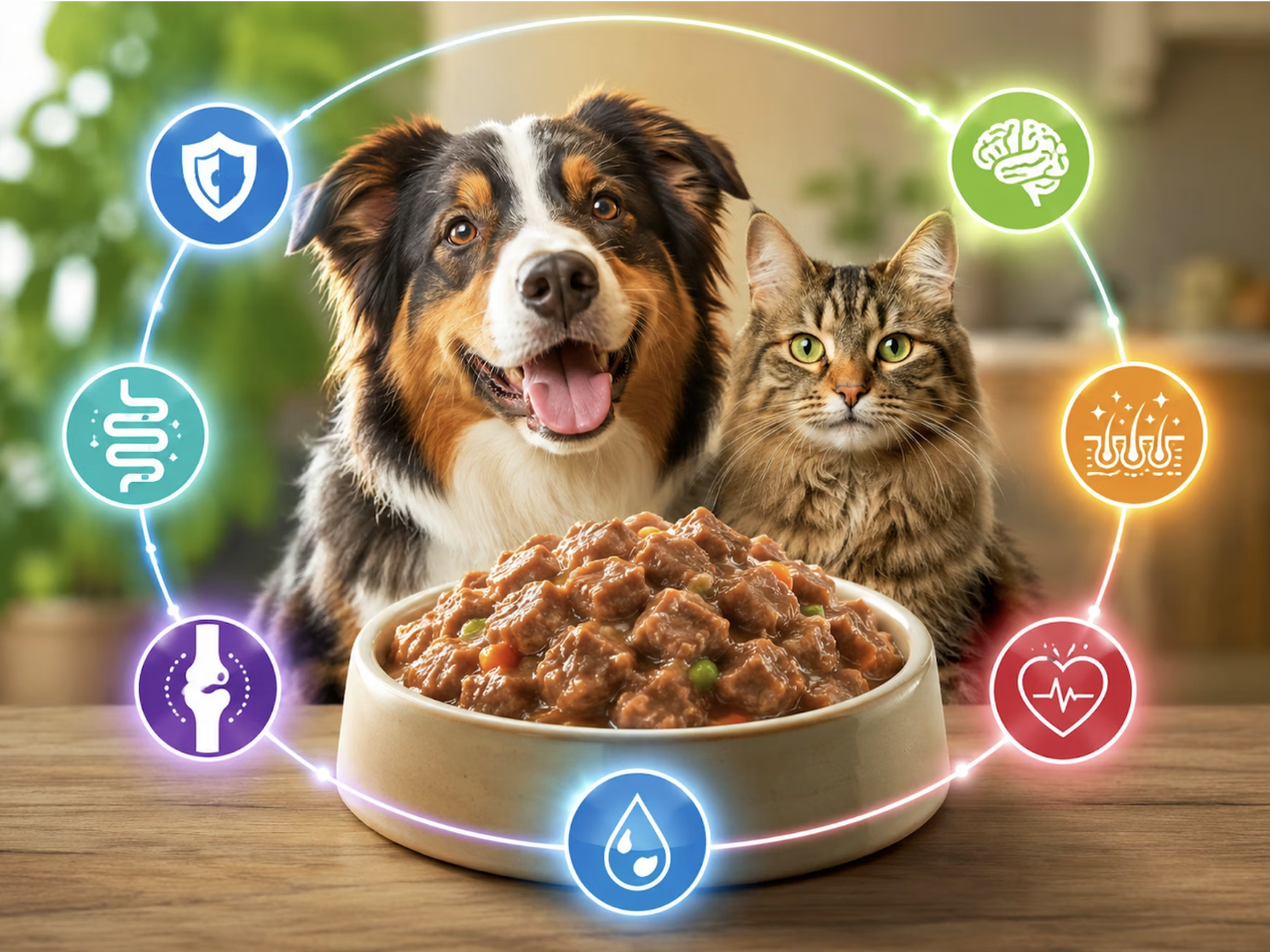
Digestive health is baseline: pet owners want multifunctional nutrition.
Digestive health may have started as a niche focus in pet nutrition, but it’s quickly becoming the expectation rather than the exception. According to industry experts, today’s pet owners increasingly view digestive support as a foundational benefit and are now looking for products that deliver multiple health outcomes at once—such as immune support, skin and coat health, mobility, and overall wellness. This shift is driving demand for multifunctional ingredients such as prebiotics, probiotics, and postbiotics that can support multiple aspects of health beyond the gut. As pet nutrition continues to evolve, brands are being challenged to move beyond single-benefit claims and offer more comprehensive, science-backed solutions for long-term well-being.

Nationwide Recall Issued for Contaminated Pain Medication
A nationwide recall has been issued for certain bottles of prescription naproxen oral suspension after testing found elevated levels of lead and lithium. The recall affects more than 6,000 bottles distributed across the U.S. and has been classified by the FDA as a Class II recall, meaning the product may cause temporary or medically reversible health effects. The incident serves as a reminder of the importance of quality control and ongoing monitoring in pharmaceutical manufacturing, as contamination can affect both human and veterinary medicine.

A Holistic Approach to Managing Chronic Pain
Chronic pain in dogs often develops gradually, making it easy to miss the early signs. In a recent article, holistic veterinarian Dr. Dana Novara emphasizes the importance of recognizing subtle changes such as stiffness, decreased activity, reluctance to climb stairs, or changes in behavior. She highlights a multimodal approach to pain management that includes weight management, gentle exercise, physical rehabilitation, supportive home environments, and therapies such as laser treatment, acupuncture, and medication when appropriate. The article reflects a growing focus on managing chronic pain through a combination of medical care, lifestyle adjustments, and long-term support to improve quality of life.
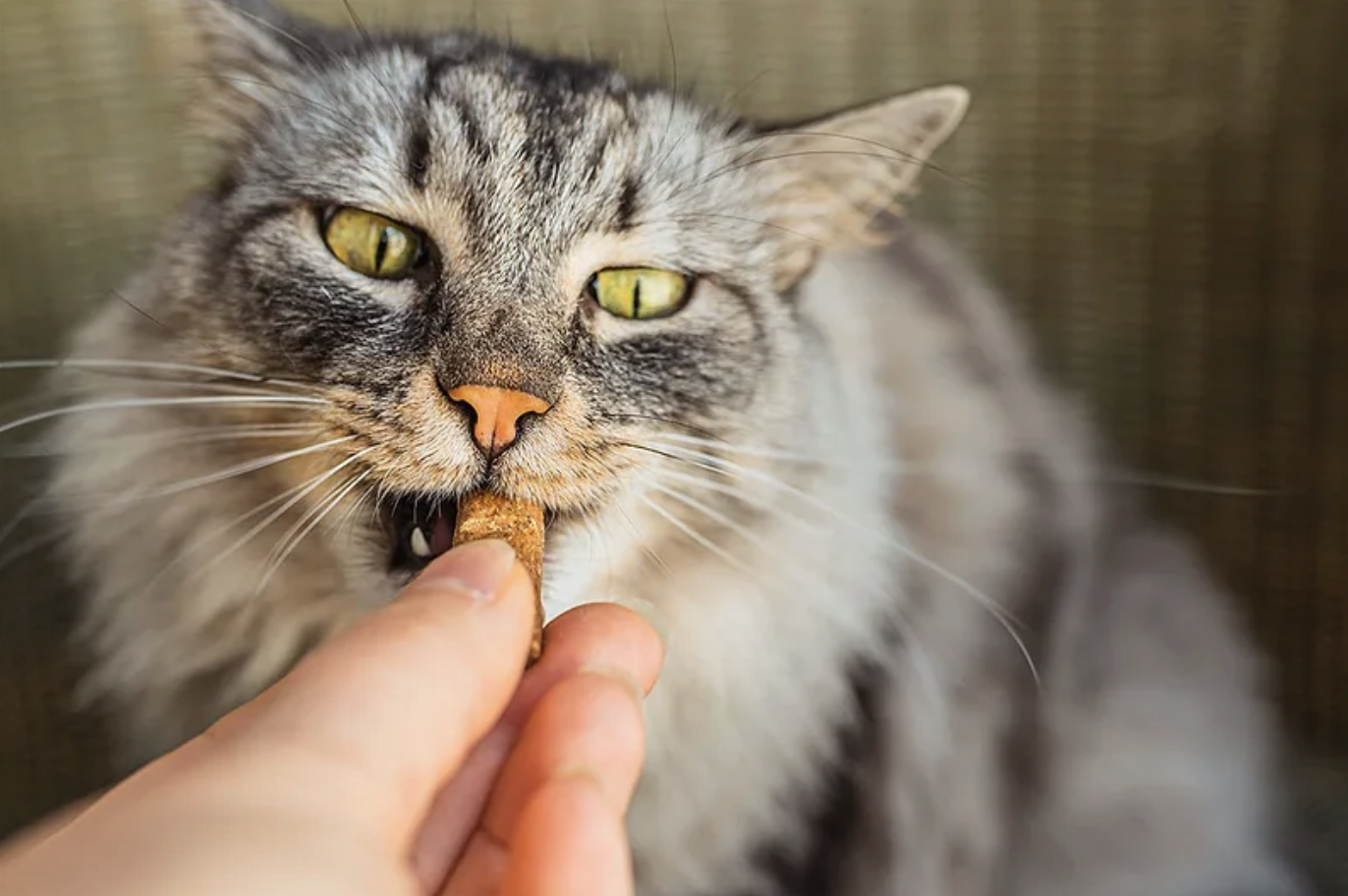
From Gut Health to Cat Wellness: Key Drivers of Pet Supplement Growth
The pet supplement market continues to grow as more owners prioritize preventive wellness and long-term health for their companions. At the National Animal Supplement Council (NASC) Annual Conference, experts identified strong demand for products supporting joint health, digestion, skin and coat health, calming, and overall wellness, with probiotics, prebiotics, and postbiotics emerging as rapidly growing categories. The conference also highlighted opportunities to reach wellness-minded pet owners who have not yet adopted supplements, particularly cat owners. Veterinarians remain the most trusted source of supplement recommendations, underscoring the continued importance of evidence-based products and consumer education as the market expands.

Continue the Conversation on the Podcast
Join us this Sunday, July 12, for a special episode of The Short Leash Podcast featuring Chef Scot Hill, a Certified Professional Canine Nutritionist and former executive chef with more than 35 years of culinary experience. After leaving the restaurant world in 2020, he turned his passion for food and wellness toward pets, becoming known as the “canine culinary chemist” behind Woof Creek Pet Wellness. Inspired by his own dogs and the healing power of nature, Chef Scot formulates clean, functional products using high-quality, sustainably sourced ingredients. His mission is to provide pet parents with proactive, holistic tools that support health, vitality, and more tail-wagging years.