The Short Leash - July 21, 2026
The Short Leash
July 21, 2026
Welcome to another issue of The Short Leash, where we take a closer look at the latest research, emerging trends, and thought-provoking conversations shaping the future of canine health and nutrition. This issue explores topics that span every stage of a dog's life, from feeding puppies and supporting healthy aging to navigating the difficult decisions that come with the final chapter of a beloved companion's life.
You'll also find updates on a new long-acting arthritis drug, the growing understanding of how nerves influence health and disease, the continuing evolution of omega-3 nutrition, and why companionship is just as essential as food and exercise. As always, our goal is to cut through the headlines, examine the science, and provide practical insights that help you make informed decisions for the dogs in your care. Thank you for joining us; we're glad you're here.

Navigating a Pet’s Final Chapter with Love and Compassion
In a thoughtful and deeply emotional essay, The New Yorker explores one of the hardest decisions pet owners face: knowing when it’s time to say goodbye. The article follows veterinarian Dr. Jessamyn Kennedy, who specializes in hospice and palliative care for pets, as she helps families navigate end-of-life decisions with compassion and clarity. As pets have increasingly become family members, advances in veterinary medicine now offer more treatment options than ever before, making the decision to euthanize both more complex and more emotionally fraught. The essay emphasizes that the focus should be on a pet’s quality of life, not simply on extending life, and encourages owners to consider whether their pet can still enjoy the activities that make life meaningful. Ultimately, the piece argues that choosing a peaceful death can be an act of love, helping pets avoid unnecessary suffering while honoring the profound bond they share with their human companions.

New Long-Acting Arthritis Drug for Dogs Approved Amid Ongoing Questions About Anti-NGF Therapies
Zoetis has received approval from the UK's Veterinary Medicines Directorate (VMD) for Lenivia (izenivetmab), a new monoclonal antibody treatment for canine osteoarthritis pain. Lenivia is the first long-acting anti-nerve growth factor (NGF) therapy approved for dogs, administered once every three months, offering a longer dosing interval than existing anti-NGF treatments. The drug works by targeting NGF, a key mediator of pain and inflammation, and studies found that dogs experienced improved mobility and reduced pain after a single injection. Osteoarthritis affects an estimated 40% of dogs and can significantly impact mobility, comfort, and quality of life.
The approval comes as anti-NGF therapies remain under increased scrutiny. Lenivia joins Zoetis' osteoarthritis portfolio alongside Librela (bedinvetmab), another anti-NGF monoclonal antibody. Last year, a U.S. federal judge dismissed a class-action lawsuit alleging Zoetis failed to adequately warn veterinarians and pet owners about serious adverse events reported following Librela use, including neurological, musculoskeletal, liver, and pancreatic issues. The dismissal was based on deficiencies in the legal pleading rather than on a determination of the drug's safety. While no major safety concerns have been publicly highlighted for Lenivia during the approval process, veterinarians and pet owners will likely be watching closely for post-market safety data given the ongoing debate surrounding anti-NGF therapies and reported adverse events associated with similar products.

16 Dog Breeds With Shorter Lifespans—and What Owners Can Do to Help Them Live Longer
Studies show that there are 16 dog breeds that tend to have shorter lifespans due to factors such as large body size, genetic predispositions, and breed-specific health conditions. While genetics play a role, dog parents can help improve both lifespan and quality of life through preventive veterinary care, maintaining a healthy weight, regular exercise, appropriate nutrition, and early screening for common breed-related diseases. Large and giant breeds are disproportionately represented on the list, as research has consistently shown that larger dogs generally age more quickly than smaller breeds.
A shorter average lifespan does not mean these breeds cannot live long, healthy lives. Understanding the health challenges associated with a particular breed allows you to be proactive about prevention and management. Regular wellness exams, dental care, weight management, and prompt treatment of emerging health issues can help maximize a dog's longevity and well-being.
Breeds mentioned include: Great Danes, Bernese Mountain Dogs, Irish Wolfhounds, Saint Bernards, Newfoundlands, Mastiffs, Bullmastiffs, Dogue de Bordeaux (French Mastiff), Great Pyrenees, Leonbergers, Scottish Deerhounds, Rottweilers, Cane Corsos, Neapolitan Mastiffs, English Bulldogs, and French Bulldogs.
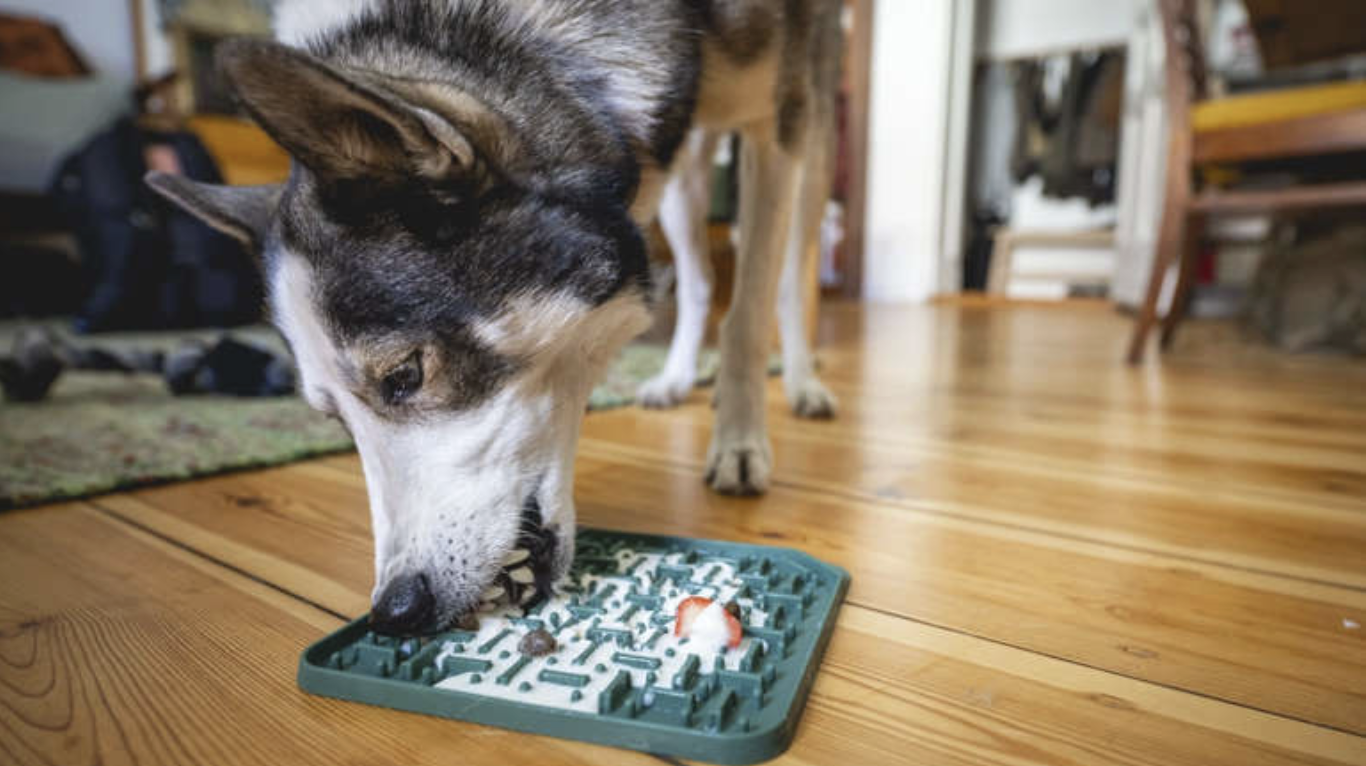
How Your Dog's Nutritional Needs Change With Age
A dog's nutritional needs change throughout life, and feeding the same diet from puppyhood through the senior years may not provide optimal support. Puppies require nutrient-dense foods rich in protein, fat, vitamins, and minerals to fuel rapid growth and development, while adult dogs need balanced nutrition that helps maintain a healthy weight, muscle mass, and energy levels. As dogs age, their metabolism, activity level, and health concerns often change, making it important to adjust calorie intake and focus on nutrients that support joint health, cognitive function, and overall vitality.
Tailoring your dog's diet to their individual needs rather than relying solely on age-based feeding guidelines is a much better way to provide optimal nutrition for your dog. Factors such as breed, size, activity level, body condition, and underlying health conditions all play a role in determining the best diet. Regular veterinary checkups and monitoring weight, mobility, and overall health can help you make informed adjustments to keep your dogs healthy throughout every life stage.

What Nerves Can Teach Us About Cancer—and Why Your Dog's Neck Matters
A recent review published in the International Journal of Molecular Sciences highlights a growing area of cancer research: the role of the nervous system in tumor development and progression. Researchers found that tumors are not simply masses of abnormal cells—they often interact closely with nearby nerves. Various nerve fibers and supporting nerve cells can influence cancer growth, invasiveness, and metastasis by shaping the tumor microenvironment and modulating immune responses. In many cancers, tumors contain significantly more nerve fibers than the surrounding healthy tissue.
While this research focused primarily on human medicine, it reinforces the importance of protecting the nervous system from chronic injury and irritation. For dogs, repeated pressure on the neck from choke chains, slip collars, prong collars, or frequent leash corrections can contribute to inflammation and trauma involving the delicate nerves, blood vessels, and tissues of the neck. Although there is currently no evidence linking collar pressure to cancer development, this research serves as another reminder that the nervous system plays a larger role in overall health than previously understood. As scientists continue to uncover connections between nerves, inflammation, and disease, choosing equipment that minimizes pressure on the neck—such as a well-fitted harness—may be a prudent way to help protect these sensitive structures.

Has Pet Nutrition Outgrown Traditional Omega-3s?
Omega-3s aren't going anywhere, but the pet food industry is looking beyond fish oil. A recent Pet Food Processing article highlights growing interest in alternative fatty acids and more sustainable sources of EPA and DHA, including algae-based ingredients. Rising costs, supply concerns, and pressure on marine ecosystems are driving innovation, while emerging ingredients like C15:0 are being positioned as the "next wave" of fatty acid nutrition.
The catch? While alternatives may offer sustainability benefits, omega-3s remain one of the most researched nutrients in pet nutrition, with established benefits for skin, joints, brain health, and inflammation. New ingredients may be promising, but they still have a long way to go before matching the evidence behind EPA and DHA.
The takeaway: Watch the innovation, but don't count omega-3s out just yet. They're still the gold standard.

Dogs Need More Than Food and Walks: The Importance of Companionship
An animal behavior expert is reminding dog owners about the "four-hour rule"—the general recommendation that dogs should not be left alone for more than four hours at a time on a regular basis. While some adult dogs may physically be able to hold their bladder longer, extended periods of isolation can lead to boredom, stress, loneliness, and behavioral issues. Puppies, senior dogs, and dogs with medical conditions often require even more frequent attention and bathroom breaks.
The article emphasizes that dogs are highly social animals that thrive on companionship and interaction. Long stretches alone can contribute to separation anxiety, destructive behaviors, excessive barking, and reduced quality of life. For owners who work long hours, solutions such as dog walkers, pet sitters, doggy daycare, flexible schedules, or enrichment activities can help meet a dog's physical and emotional needs. The takeaway is that caring for a dog involves more than meeting basic needs—it also means providing adequate social interaction and mental stimulation throughout the day.

Continue the Conversation on the Podcast
When you've finished reading, join us on the next episode of the Short Leash Podcast to be released on Sunday, July 26, where we take a deeper dive into many of these stories, explore the science behind the headlines, and discuss what they mean for the future of canine health and longevity.
This podcast features Dr. Madeline Yamate, an integrative veterinarian specializing in Traditional Chinese Veterinary Medicine and botanical medicine. She earned her DVM from UC Davis and received advanced training in veterinary acupuncture under Dr. Huisheng Xie. Board-certified in acupuncture, Chinese herbal medicine, food therapy, and Tui-na, she has taught internationally and is the founder of the Center for Integrative Animal Medicine in Davis, California.