The Short Leash # 182, Aug 4, 2026
The Short Leash
Aug 4, 2026
Every day, new research reminds us that canine health is about far more than treating disease after it appears. This edition of Short Leash explores how movement, light, stress, nutrition, and even the environment work together to shape a dog's health and quality of life. From emerging therapies like photobiomodulation and integrative wound care to new insights into cognitive aging, microplastics in pet food, and the subtle ways dogs communicate stress, these stories reinforce a common theme: supporting lifelong wellness means looking at the whole dog. We hope this collection of research and practical insights helps you think a little differently about the many factors that influence canine health and longevity.
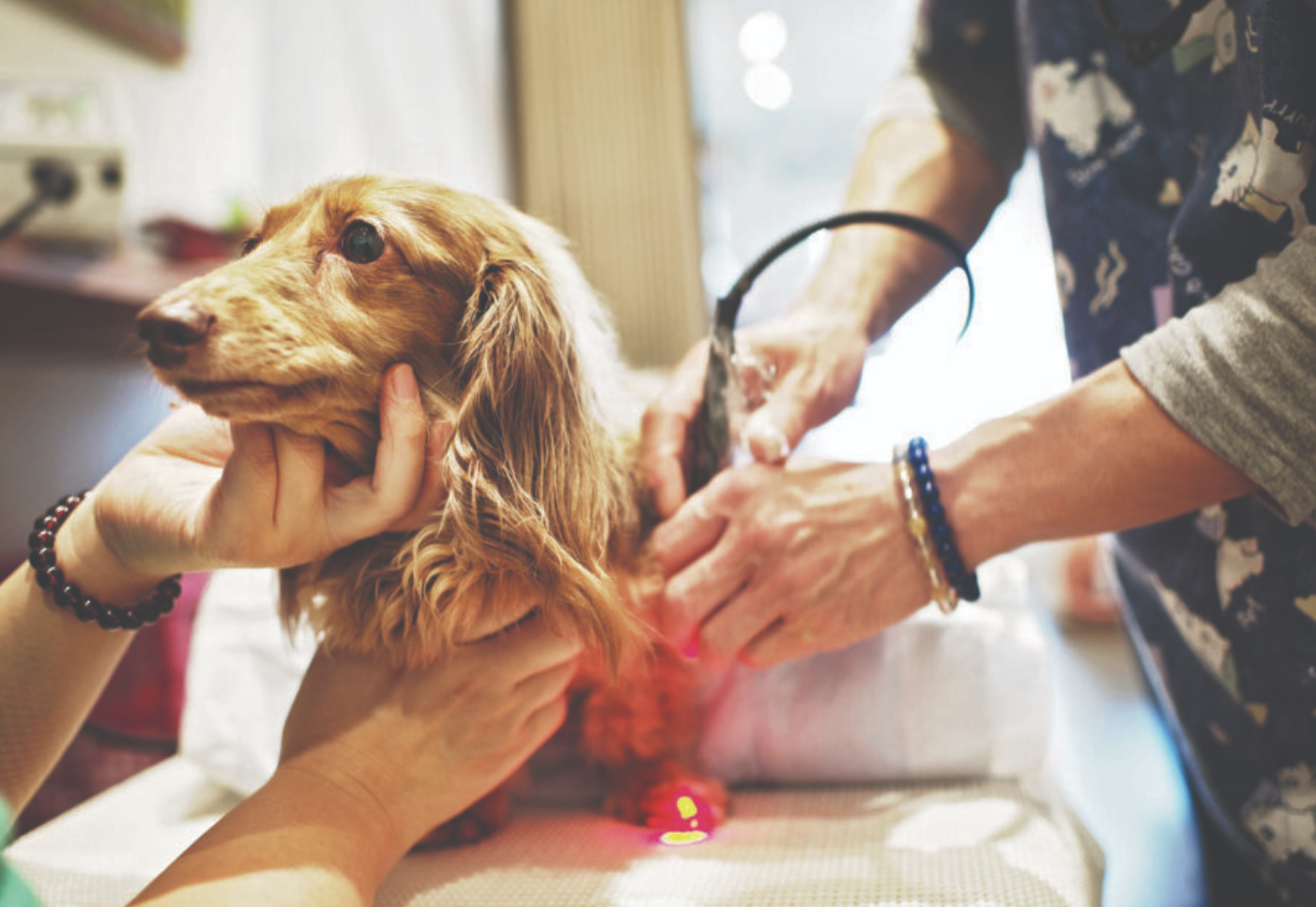
Healing With Light: Why Laser Therapy Is Gaining Momentum
Low-level laser therapy (LLLT), also known as photobiomodulation (PBM), is gaining recognition as a non-invasive tool for managing pain and supporting healing in dogs and cats. A recent Animal Wellness article explains that different wavelengths of light penetrate tissues to stimulate cellular energy production, reduce inflammation, improve circulation, promote collagen formation, and accelerate tissue repair. More than 40 years of research support its use for conditions such as osteoarthritis, soft tissue injuries, wound healing, nerve injuries, post-surgical recovery, and chronic pain.
The article also notes that laser therapy is most effective when used as part of a comprehensive treatment plan rather than as a stand-alone therapy. Appropriate wavelength, power, dosage, and treatment frequency are critical to achieving good results, underscoring the importance of veterinary guidance. As research continues to expand, photobiomodulation is becoming an increasingly valuable addition to integrative veterinary medicine, offering a drug-free option to improve comfort, mobility, and healing in companion animals.
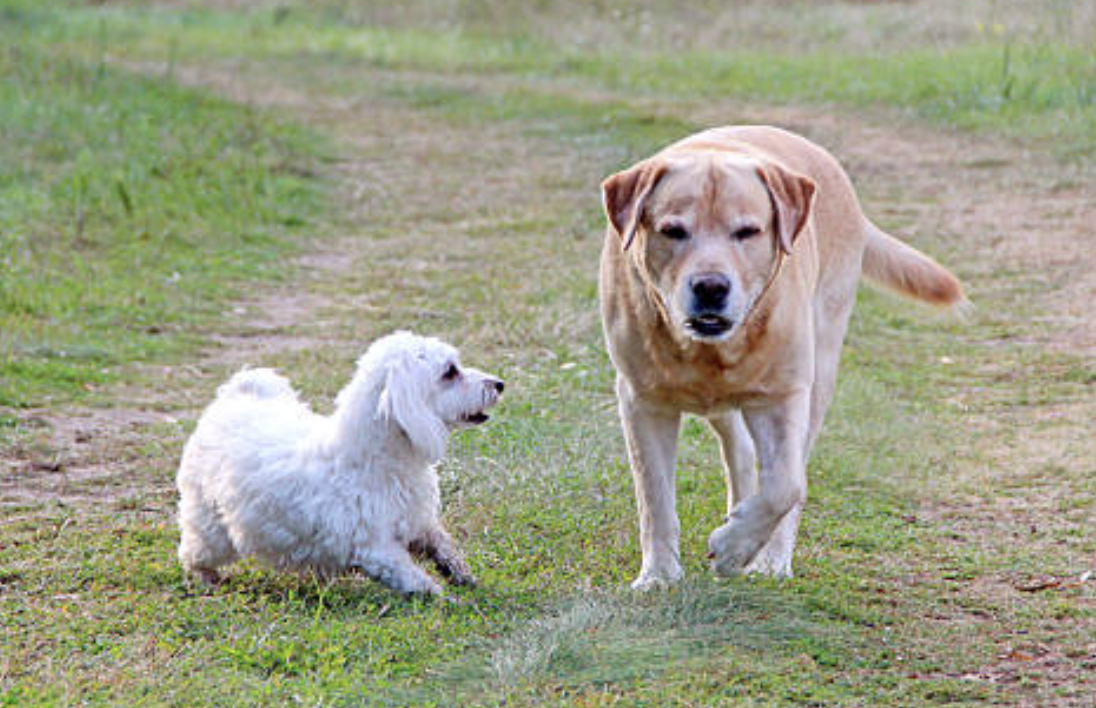
More Than Slowing Down: What Your Senior Dog's Gait May Be Telling You
A new study suggests that subtle changes in the way senior dogs walk may be one of the earliest signs of canine cognitive dysfunction syndrome (CDS), the canine equivalent of dementia. Researchers at North Carolina State University followed 88 senior and geriatric dogs over time and found that shortening of the front-leg stride was more strongly associated with cognitive decline than with aging itself. In fact, for every 10-point increase on the Canine Dementia Scale, front-leg stride length decreased by an average of 1.2%, making gait analysis a promising tool for detecting cognitive changes before more obvious behavioral signs appear.
The findings highlight the importance of paying attention to how senior dogs move, not just how they behave. While arthritis and chronic pain can also affect stride length, the study suggests that changes in gait may provide veterinarians with an objective way to monitor brain health alongside traditional cognitive assessments. Early recognition of CDS allows owners and veterinarians to implement nutritional, environmental, and medical strategies that may help slow disease progression and improve quality of life.
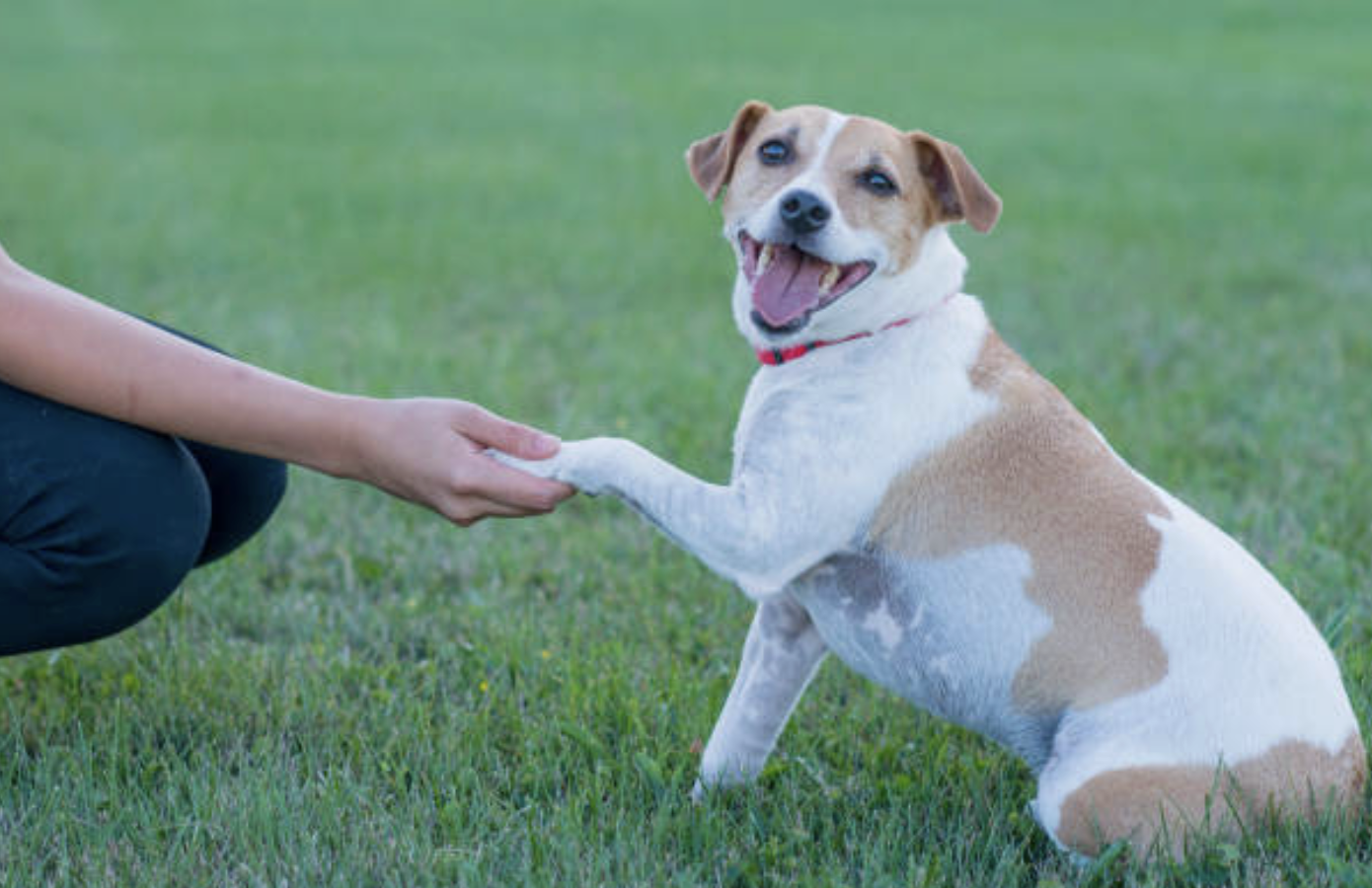
What Your Dog's Favorite Paw May Reveal
Just as people tend to be right- or left-handed, most dogs have a preferred paw—but determining that preference is more complicated than watching which paw they use to shake. A new study introduces the "Doginburgh Inventory," a standardized method for assessing canine pawedness using four different tasks, including food retrieval, holding a toy, and stepping off stairs or platforms. Researchers found that 79% of dogs showed a paw preference, with about 49% favoring the left paw and 30% favoring the right, while the remaining 21% used both paws equally.
The study also found that a dog's preferred paw often depends on the task being performed, suggesting that previous studies relying on a single test may have oversimplified canine laterality. Researchers hope the new assessment will improve future studies examining links between paw preference and behavior, stress, cognition, and even immune function. While it won't change how we care for our dogs, it offers another fascinating glimpse into the complexity of the canine brain.
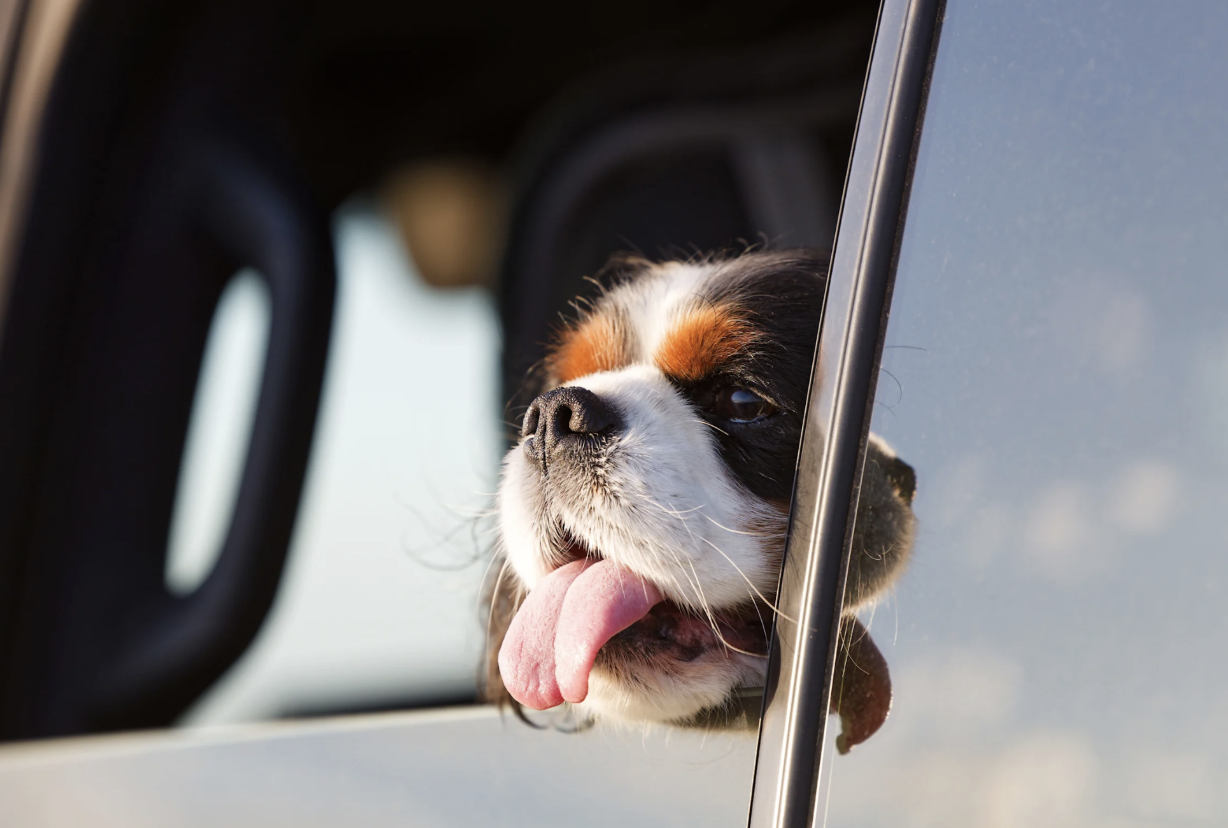
Vacation Can Be Tough on Your Dog's Gut
Travel can be exciting for dogs, but it can also upset their digestive system. According to veterinary nutritionist Dr. Moran Tal-Gavriel, changes in routine, unfamiliar environments, stress, altered sleep schedules, different water sources, and inconsistent feeding can all contribute to nausea, diarrhea, gas, or a decreased appetite. Motion sickness during car rides and the added stress of air travel can further increase the risk of digestive upset, particularly in dogs with sensitive stomachs or anxiety.
The good news is that a little preparation can go a long way. Experts recommend keeping your dog's diet as consistent as possible, bringing familiar food and treats, encouraging hydration, packing probiotics if your veterinarian recommends them, and allowing time for rest and regular potty breaks during travel. Watching for persistent vomiting, diarrhea, lethargy, or signs of dehydration is also important, as these may require veterinary attention. A predictable routine before and during the trip can help keep your dog's gut, and your vacation, on track.

Stress Speaks Before Dogs Bark
Veterinarians are reminding dog owners that stress is often communicated through subtle body language long before it becomes obvious. While most people recognize trembling or hiding, dogs may also show stress by yawning when they're not tired, licking their lips, showing the whites of their eyes ("whale eye"), pinning their ears back, avoiding eye contact, lifting a paw, or suddenly sniffing the ground. Physical signs such as excessive panting, shedding, dilated pupils, and changes in appetite or sleep can also indicate that a dog is feeling overwhelmed.
Recognizing these early signals gives owners the opportunity to remove the stressor before anxiety escalates into fear or aggression. Rather than dismissing these behaviors as disobedience or stubbornness, experts encourage owners to view them as communication. Providing a predictable routine, adequate exercise, mental enrichment, and a safe place to retreat can help reduce stress and improve a dog's overall emotional well-being.
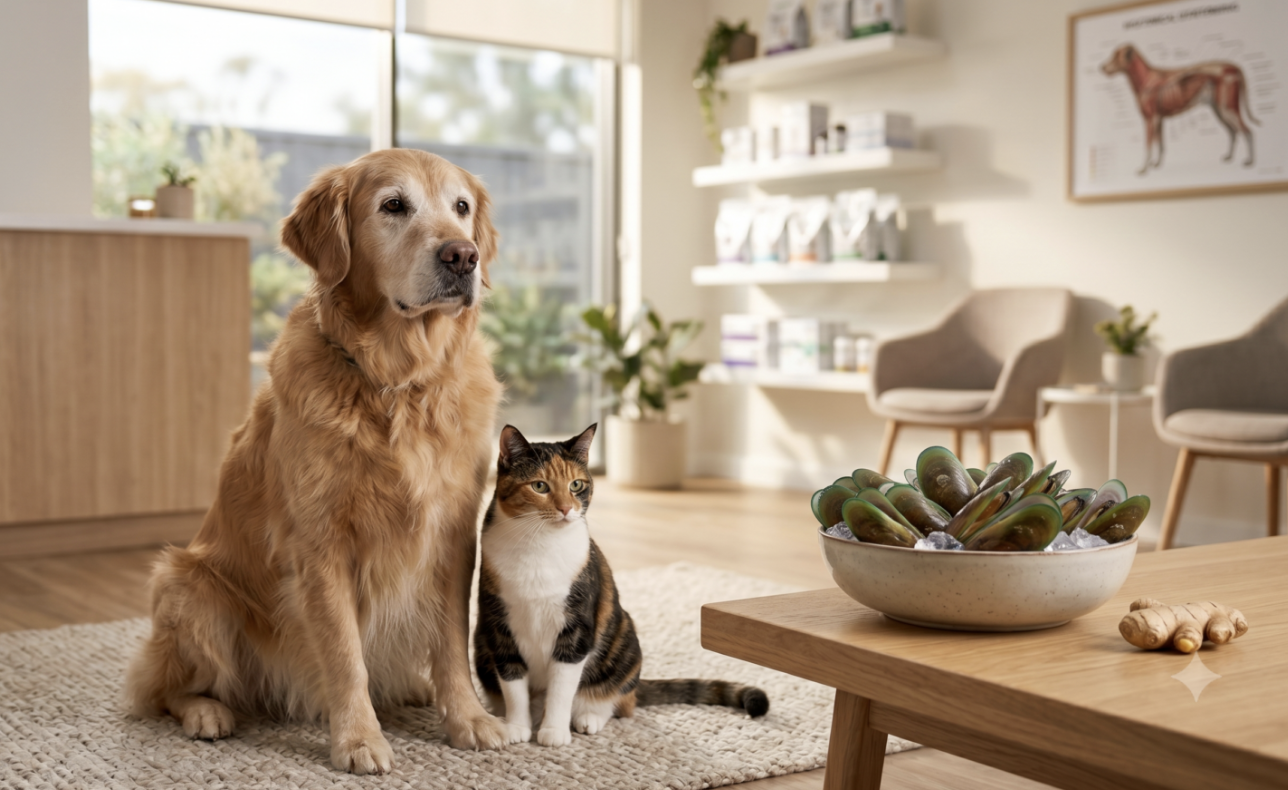
Beyond Medications: Natural Tools for Managing Chronic Inflammation
Chronic inflammation is a common underlying factor in many canine and feline health conditions, including osteoarthritis, inflammatory bowel disease, obesity, dental disease, and chronic skin disorders. A recent review in IVC Journal examines several natural compounds that may help support the body's inflammatory response, including curcumin (turmeric), ginger, Boswellia serrata, and green-lipped mussel. Of these, green-lipped mussel has the strongest body of veterinary evidence, particularly for supporting joint health and mobility in dogs, while the evidence for the other botanicals, though promising, is less robust in companion animals.
The article emphasizes that supplements should not be viewed as stand-alone treatments. Instead, they work best as part of a comprehensive approach that includes maintaining a healthy body weight, feeding an anti-inflammatory diet, encouraging appropriate exercise, and addressing the underlying cause of inflammation whenever possible. As interest in integrative veterinary medicine continues to grow, evidence-based natural therapies are becoming valuable tools for supporting long-term health and quality of life.
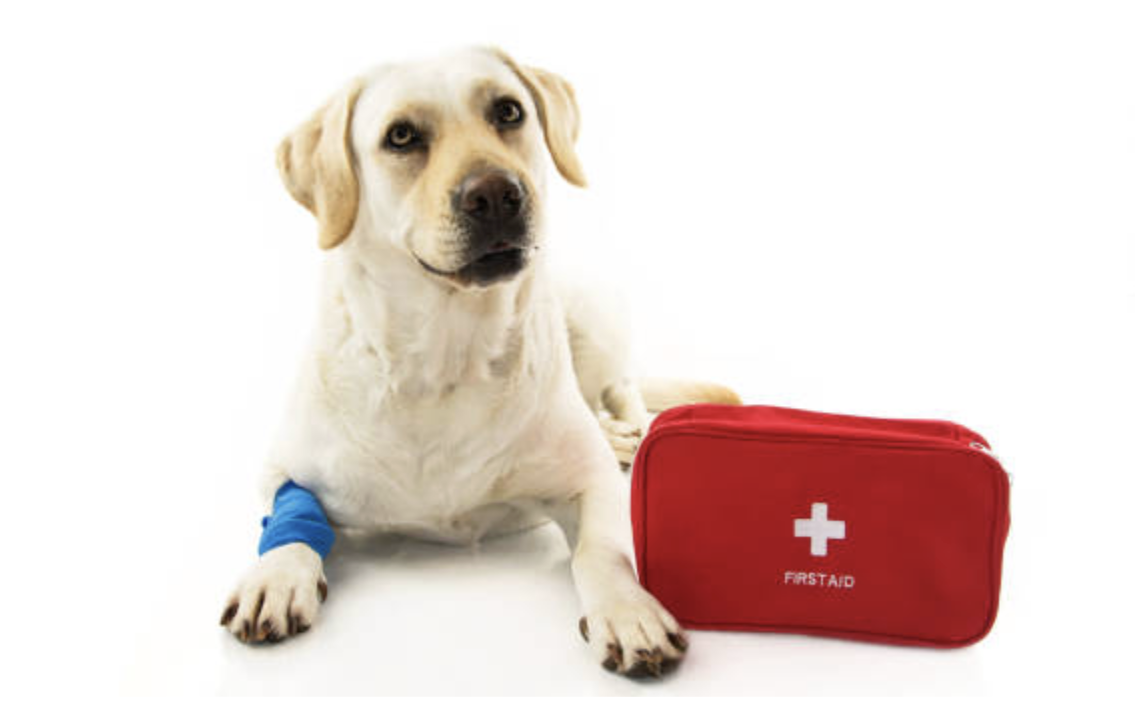
Healing Beyond the Prescription Pad
Chronic wounds can be painful, slow to heal, and difficult to manage in dogs and cats. A new review in Veterinary Sciences explores how several integrative therapies may complement conventional wound care. The authors evaluated the evidence behind ozone therapy, photobiomodulation (red and near-infrared light therapy), medicinal plants, and propolis (a resin-like substance produced by honeybees). Each therapy appears to support healing through different mechanisms, including reducing harmful bacteria, decreasing inflammation, stimulating collagen production, improving blood flow, and promoting tissue regeneration.
The authors emphasize that these therapies are adjuncts, not replacements, for appropriate veterinary wound management. When used alongside conventional treatment and supported by scientific evidence, they may improve healing while reducing reliance on antibiotics and other medications. Although additional high-quality clinical studies are still needed, the review highlights the growing role of integrative medicine in helping veterinarians support recovery and improve quality of life for companion animals.
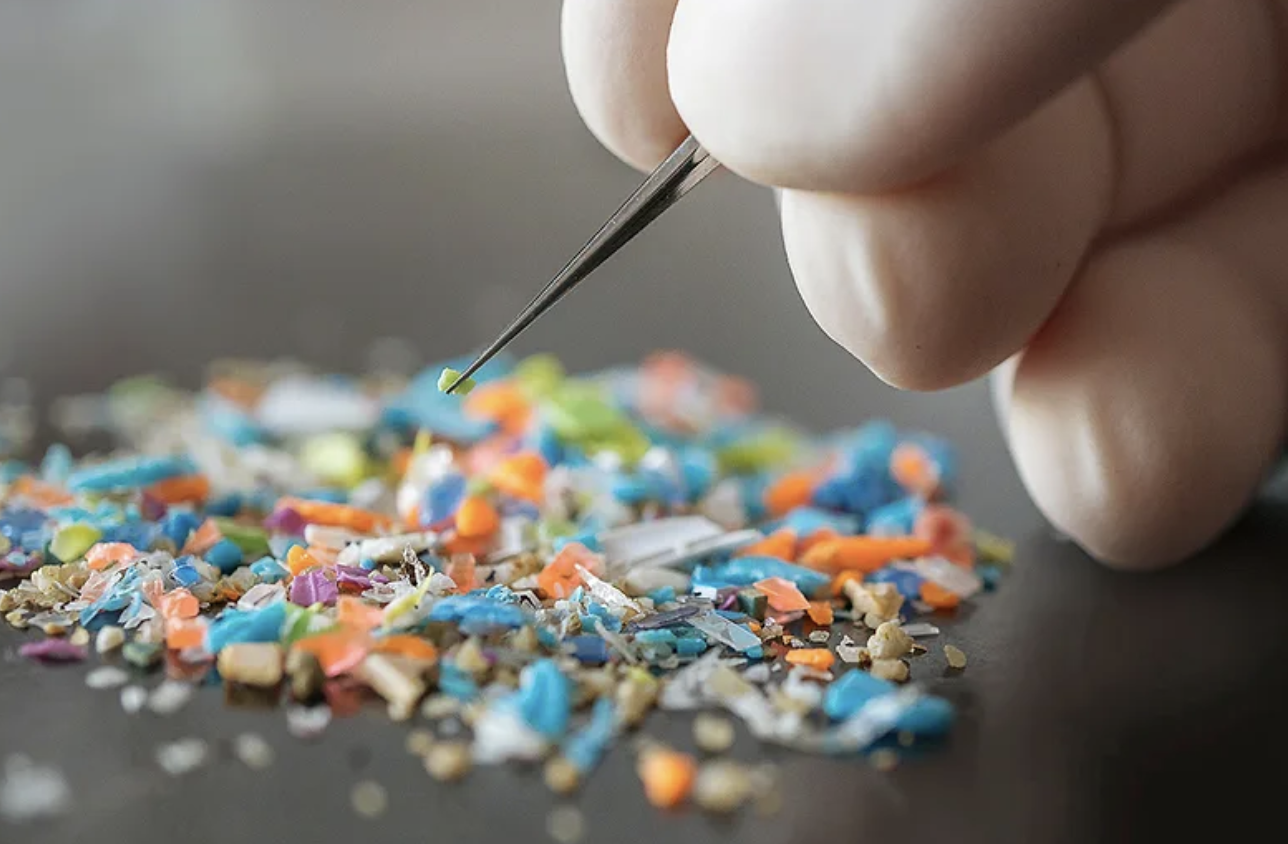
Beyond Nutrition: The Growing Concern Over Microplastics
A newly published study found that microplastics are widespread in commercially available pet foods, with 76% of the 38 cat, dog, and hedgehog food products tested containing detectable plastic particles. Researchers analyzed products across multiple brands, price points, and food types and found that value-priced foods were more likely to contain microplastics than mid-range or premium products. Wet foods posed the greatest exposure risk because pets consume a larger volume to meet their energy needs. The researchers estimated that a 35 kg (77 lb) dog eating wet food could ingest more than 300 microplastic particles each day. The most common plastics detected were polyester, polyethylene, polypropylene, and polyacrylamide.
Although the long-term health effects of dietary microplastics in dogs remain unclear, laboratory studies in multiple species have linked microplastic exposure to inflammation, oxidative stress, impaired fertility, and organ dysfunction. The authors note that pet food may represent an underrecognized source of environmental plastic exposure for both companion animals and wildlife, as these particles are also excreted in feces and enter terrestrial ecosystems. The findings highlight the growing need to better understand where microplastics enter the pet food supply and how they may affect animal health over time.

Short Leash Podcast Episode
We’re continuing the conversation this week on the Short Leash Podcast, which releases on August 9, 2026, featuring Jackie Jolie from AnimaSol, whose lifelong passion for animals has led to a career in equine and canine bodywork. She earned her Bachelor's degree in Equine Health and Rehabilitation and has spent more than 15 years helping animals recover naturally.
After overcoming Lyme disease through holistic therapies, Jackie became certified in Quantum Biology to better understand how light, water, and magnetism influence health. That journey ultimately inspired the creation of AnimaSol and its red and infrared light therapy blankets designed to support healing and wellness in animals.