The Short Leash, Issue #183, Aug 18, 2026
The Short Leash
Aug 18, 2026
Change is a constant in veterinary medicine, and some of the most exciting advances begin long before they become everyday practice. This issue of Short Leash explores several developments that could shape the future of canine care, from potential changes in pet food oversight and veterinary education to emerging research on medicinal mushrooms, oral health, microbiome testing, and AI-assisted cancer therapies. We also pause to recognize the remarkable service animals who have faithfully served alongside us throughout history. Whether these stories introduce promising new approaches or challenge long-held assumptions, our goal is the same: to help you stay informed, think critically, and better understand the science shaping the future of canine health.
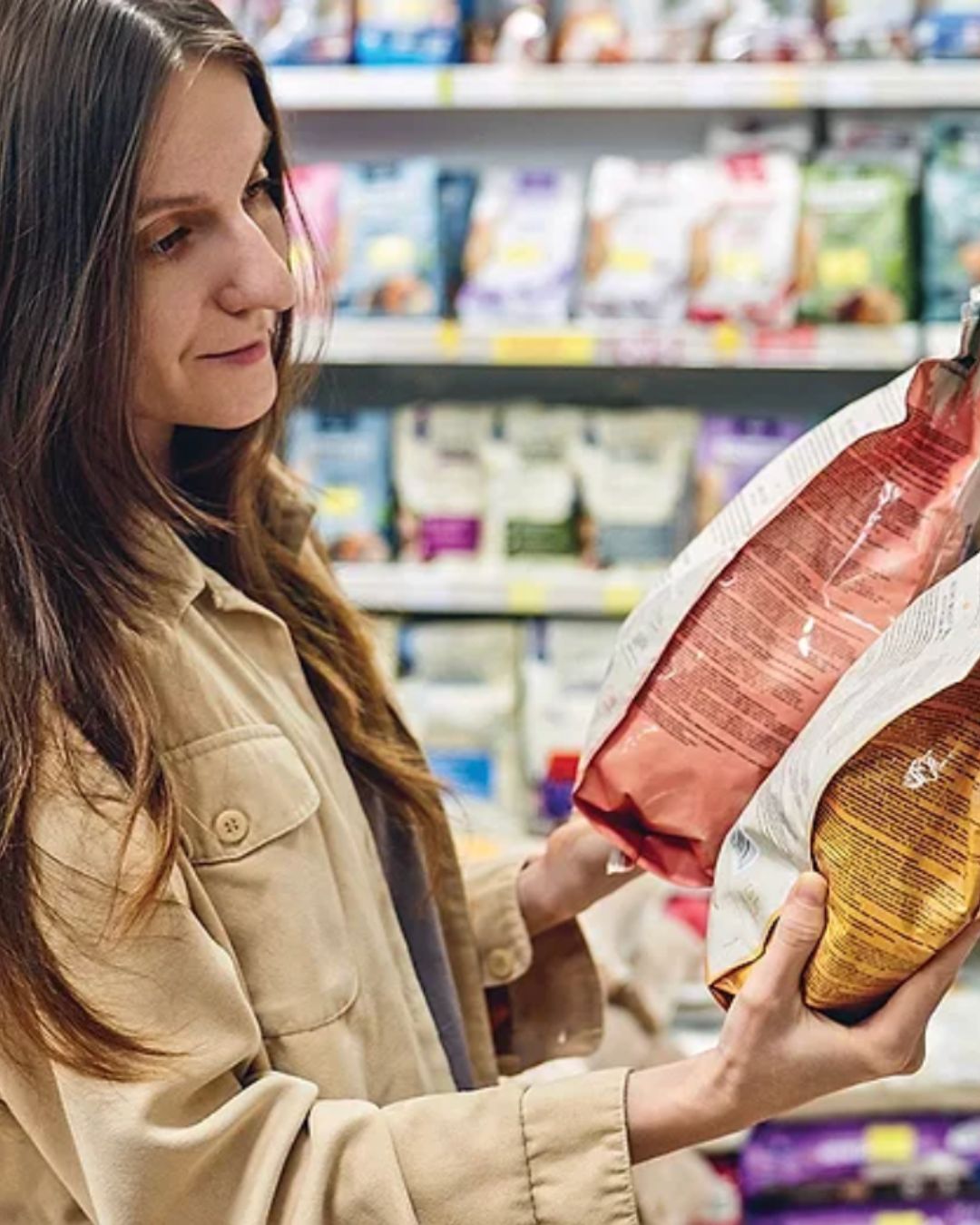
Will the MAHA Movement Reach Your Dog's Bowl?
The Make America Healthy Again (MAHA) initiative aims to improve the human food supply, but its influence could eventually extend to pet food. A recent Pet Food Processing article suggests that proposed changes to ingredient reviews, food additives, labeling, and oversight of ultra-processed foods may prompt greater scrutiny of pet food ingredients and manufacturing practices. While no direct regulatory changes for pet food have been proposed, the industry is watching closely as consumer demand for cleaner labels, greater transparency, and less processed foods continues to grow, potentially shaping the next generation of pet nutrition.
Honoring the Animals Who Serve Beside Us
A bipartisan bill introduced in Congress would authorize the placement of the National Service Animals Monument on the National Mall Reserve in Washington, D.C., making it the first national monument dedicated to honoring the contributions of service animals and their handlers. The monument would recognize the roles animals have played throughout American history, including military working dogs, police K-9s, search-and-rescue animals, guide and assistance dogs, and the horses that served alongside the armed forces. If approved, it would stand among the nation's most significant memorials as a lasting tribute to the courage, loyalty, and sacrifice of these remarkable human-animal partnerships.
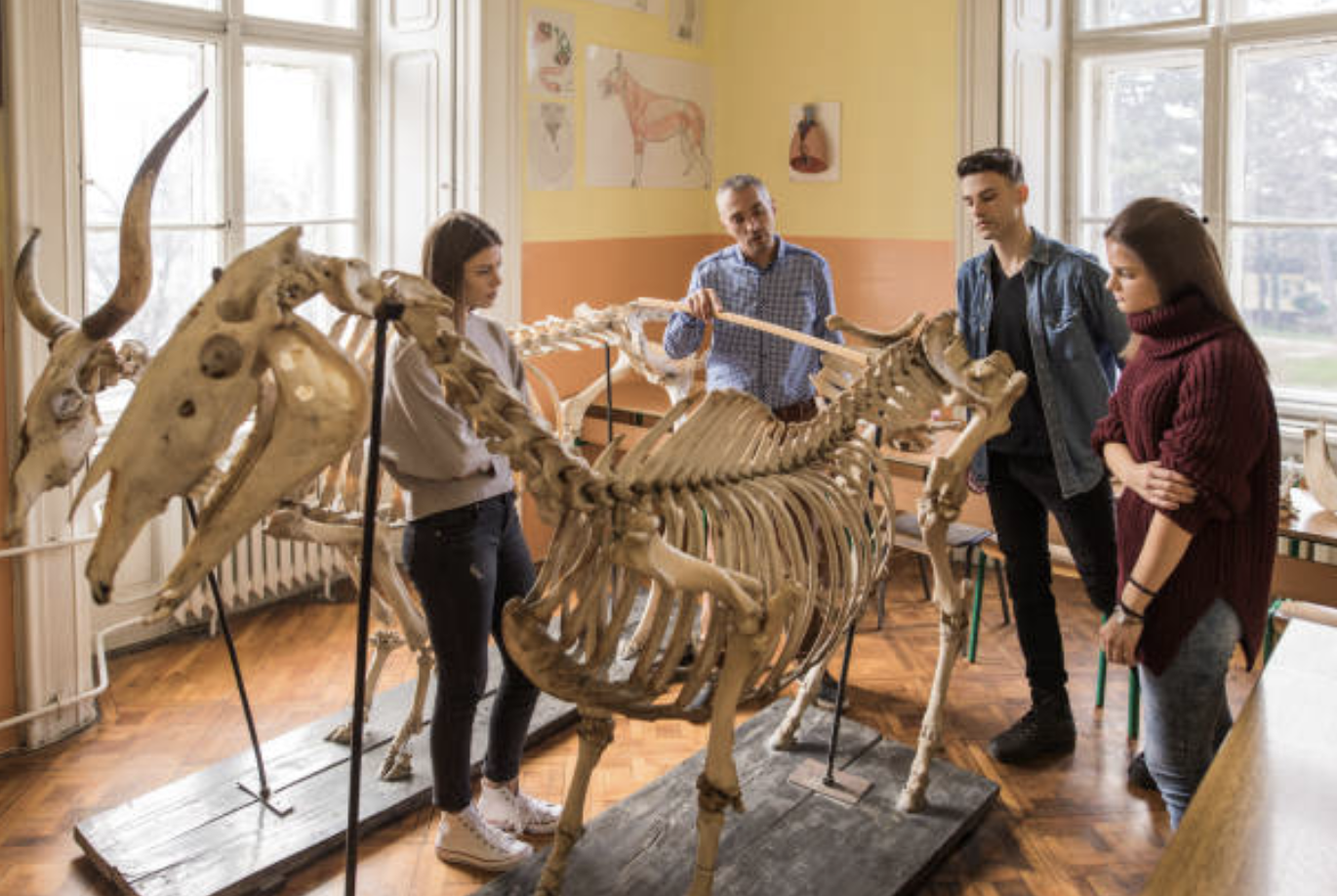
Proposed Federal Rules Could Reshape Veterinary Education
Proposed federal accreditation reforms could significantly change how veterinary schools are accredited in the United States. Under the Department of Education's Accreditation, Innovation, and Modernization (AIM) initiative, accrediting organizations such as the AVMA Council on Education (COE) would be required to operate with greater independence from affiliated professional organizations and comply with expanded accountability requirements. While the AVMA says the COE already functions independently and veterinary technician program accreditation will not be affected, the proposed rules could reshape veterinary education beginning in 2027 if finalized. Although these changes do not directly address the influence of pet food companies on veterinary nutrition education, greater transparency and independence in the accreditation process could encourage broader perspectives in veterinary curricula—an issue many in the profession will be watching closely.
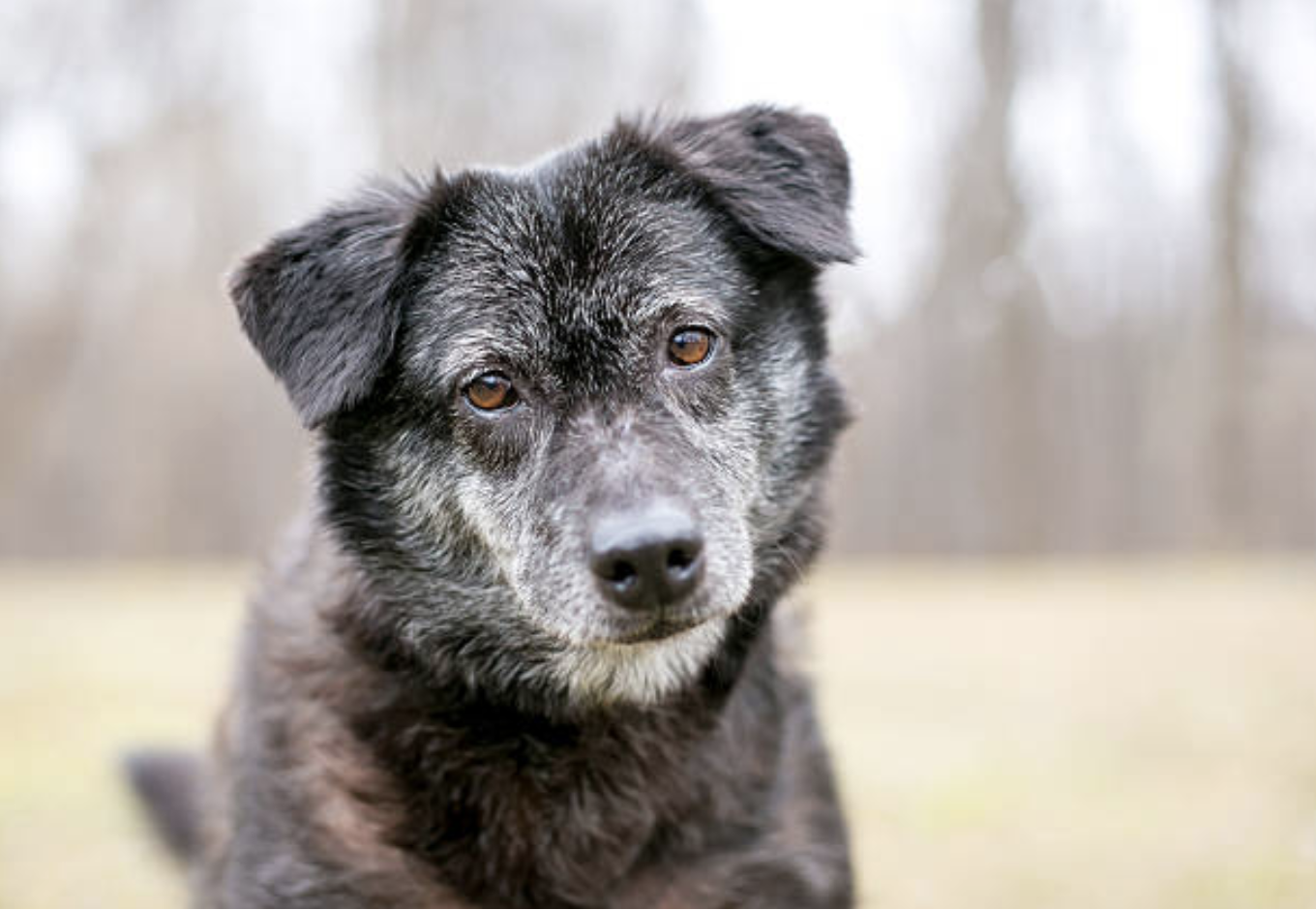
Can Mushrooms Help Aging Dogs Stay Mentally Sharp?
A recent study highlights promising research on medicinal mushrooms as a potential therapy for Cognitive Dysfunction Syndrome (CDS) in aging dogs and cats. Compounds found in mushrooms, including ergothioneine, beta-glucans, and erinacines, may help protect brain cells, reduce inflammation, and support nerve function. In a small preliminary study, most dogs receiving a mushroom-derived nutraceutical showed either improved or stabilized cognitive function, particularly in sleep quality and nighttime restlessness. While the results are encouraging, the study was small and lacked a placebo control, so larger clinical trials are needed before medicinal mushrooms can be considered a proven treatment for canine cognitive decline.

Same Sample, Different Results: The Problem with Gut Microbiome Tests
Direct-to-consumer gut microbiome testing is growing in popularity, but a new study found that identical stool samples sent to multiple testing companies often produced markedly different results, including conflicting bacterial profiles and health assessments. The researchers concluded that microbiome testing currently lacks standardized methods and quality control, making it difficult to reliably use these tests to guide personalized nutrition or health decisions. While microbiome science continues to advance, the findings also raise important questions about the growing number of microbiome tests being marketed for companion animals.
Beyond Brushing: A New Way to Support Your Dog's Oral Health
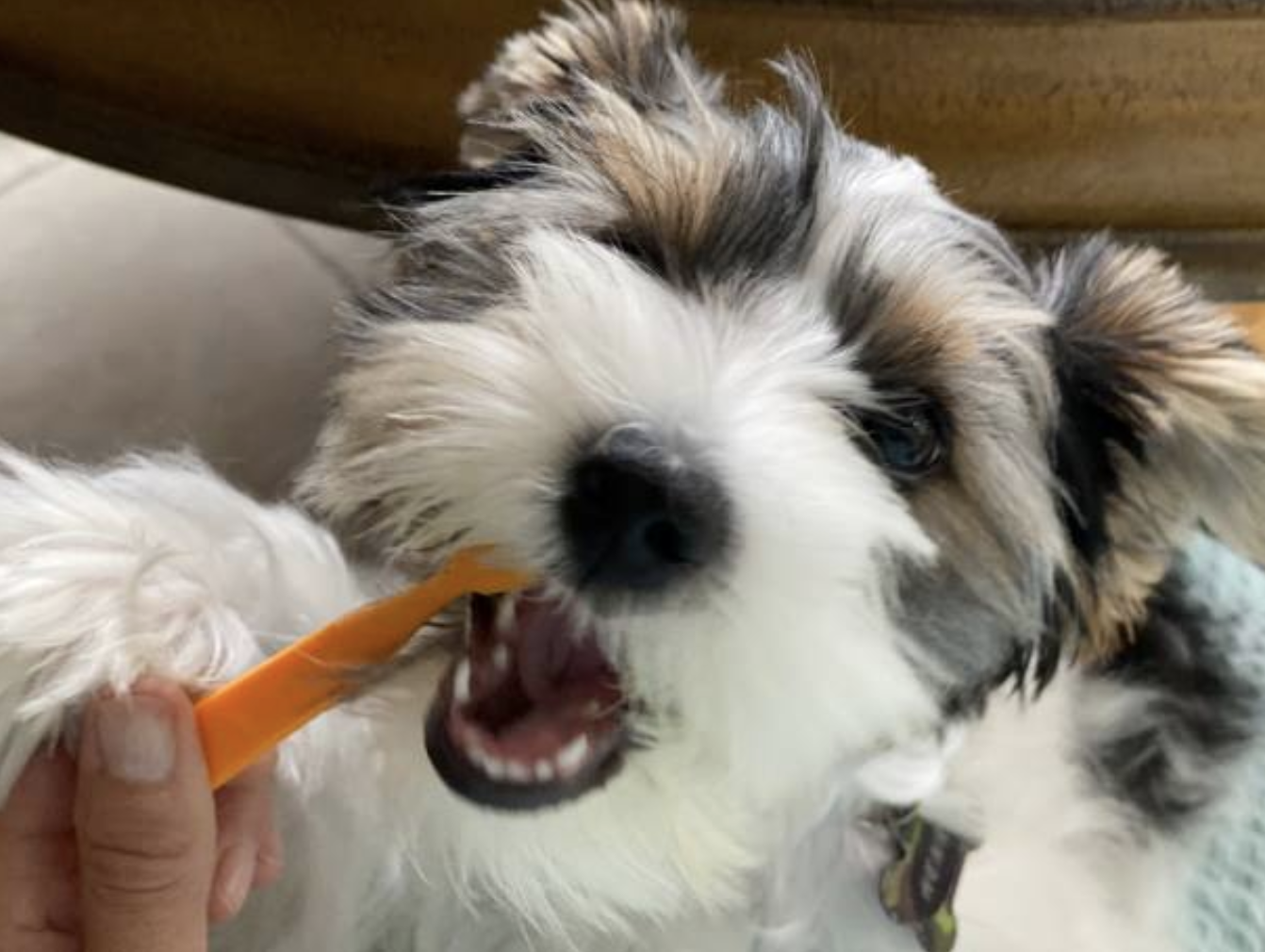
A small, company-funded study found that a canine oral health postbiotic reduced odor-causing bacteria by 45% and decreased several bacterial groups associated with plaque, biofilms, periodontal disease, and bad breath without broadly eliminating beneficial oral bacteria. While the findings suggest that postbiotics may support oral health by promoting a healthier oral microbiome rather than simply killing bacteria, the study included only 10 dogs, lasted one week, and was funded by the product's manufacturer. Larger independent studies are needed to determine whether these microbiome changes lead to long-term improvements in dental health.
Could AI Change the Future of Cancer Treatment for Dogs?
A remarkable case from Australia demonstrates the potential of artificial intelligence to advance personalized cancer treatment. After a dog named Rosie was diagnosed with terminal mast cell cancer, researchers used ChatGPT to review the scientific literature and AlphaFold to identify cancer-specific targets from her tumor DNA, leading to the development of a personalized mRNA vaccine. Although Rosie also received an immune checkpoint inhibitor, making it impossible to attribute her improvement solely to the vaccine, her tumors shrank, mobility improved, and quality of life increased. While this was a single experimental case, it highlights how AI may accelerate the development of personalized therapies for both veterinary and human medicine.
Continue the Conversation on the Podcast
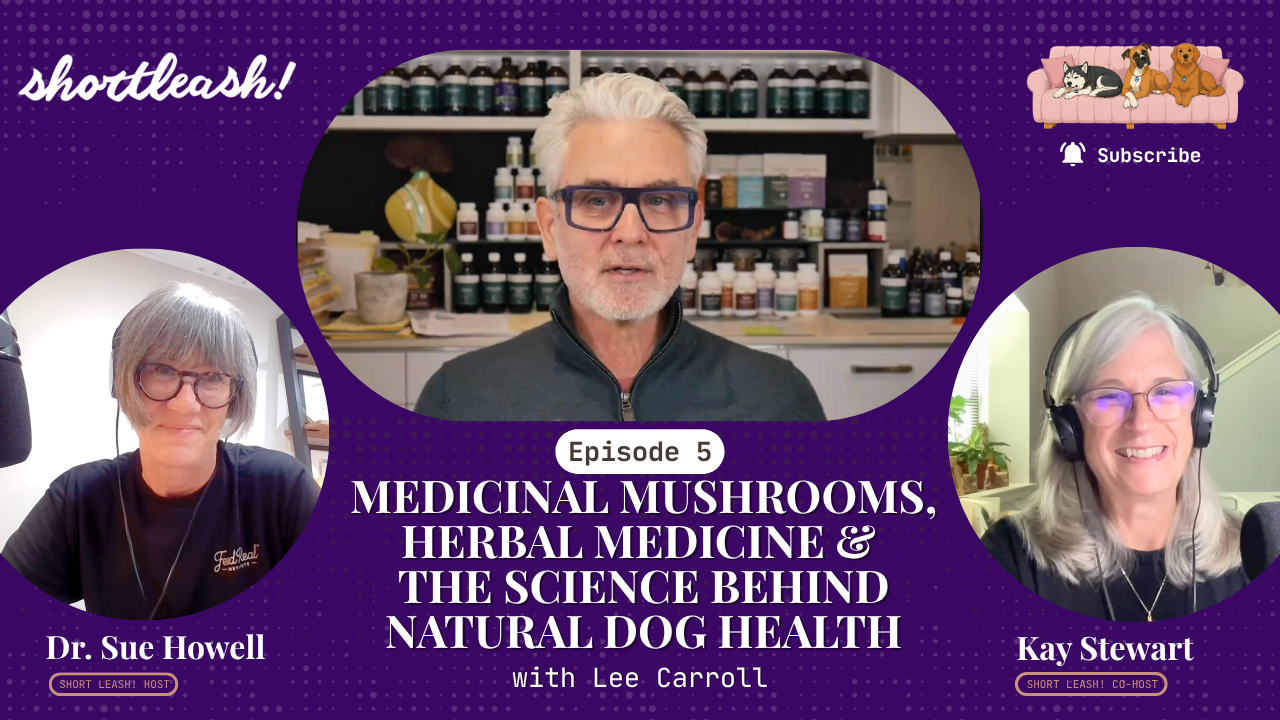
Be sure to check out this week's Short Leash Podcast, releasing on Aug 23, 2026, where we continue the conversation with Lee Carroll, a leading medical herbalist, educator, and mentor with more than 30 years of experience in the herbal industry. For more than two decades, Lee has taught herbal medicine to healthcare professionals, combining the wisdom of traditional Western herbalism with modern biomedical science to develop personalized, evidence-informed approaches to health. His passion for making herbs and medicinal mushrooms both accessible and scientifically grounded has made him a respected voice in integrative health. Join us as we explore the science behind medicinal mushrooms, the therapeutic potential of herbal medicine, and how these natural tools may support our dogs' health, resilience, and longevity.