Issue #103
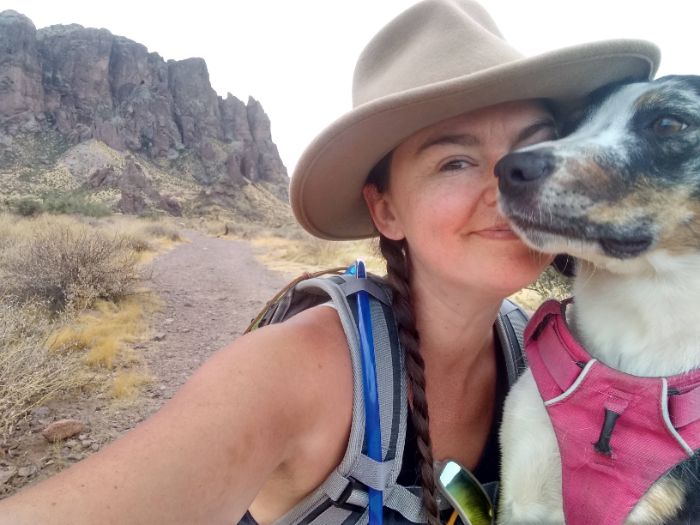
Did you know? My name is Jolene! I’m an RDB member s ervice team lead, canine nutritionist, and author of the Short Leash! My dog Sheila and I are full-time campers, advocates for reactive dogs, and fresh feeding enthusiasts! I hope you enjoy reading the Short Leash as much as I enjoy sharing it with you.
Box 94 - Watch the unboxing here! Available until January 22nd ONLY, here’s the current lineup:
Bison Lung (NEW!)
Pork liver
Whole Smelt
Duck feet
Boar ear (with fur!)
Turkey Neck
Bison Scapula - super chew
Pork - Meatballs
Did you hear the news? We’ve made some changes to our referral program and now you can do even more when you refer a friend!
Introducing Real Dog Coin!
1 RDC = $1. For every new referral, you and your friend will earn 10 RDC. Coins can be converted to dollars and used toward your next box, membership, add-on purchases, and even Secret Shop!
Every subscriber has a unique referral link and our referral program is open to everyone! Don’t know what your link is? Text member services! 858-348-5954
Learn more about Real Dog Coin here!

Final DCM update announced. The FDA has finally made a statement on the potential link of grain-free foods to DCM; they cannot find any direct link between the two. They will not be making further statements until there is sufficient evidence. Unfortunately, the announcement was made quietly as an addition to a 3 year old press release and was not widely distributed to the public. This makes it even more difficult for pet parents to make informed decisions about the food they feed.
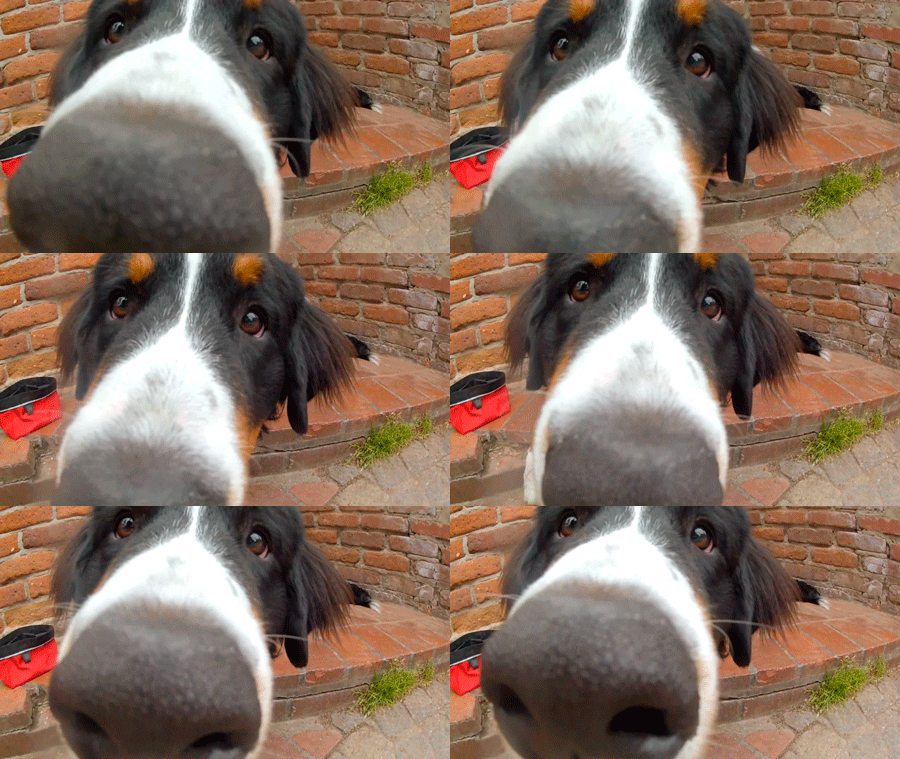
Dog noses used for tech inspiration. We all know that dogs have a strong sense of smell. Scientists are now using technology to mimic their sniffing process to enhance our mechanical scent detection. Dogs inhale scent and exhale air out to the side rather than forward. This prevents the scent particles from dispersing. Using 3D models of a dog’s nose, engineers have been able to create designs that improve vapor detection 16 fold!
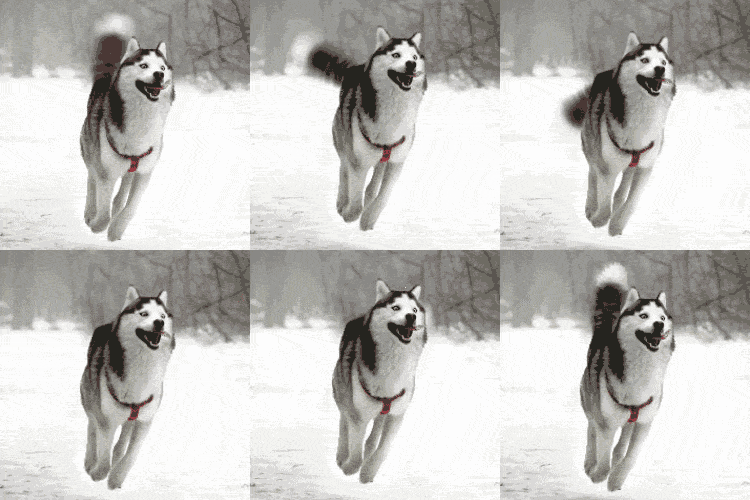
Dog tails may not control agility. A new study suggests t hat, unlike cats, dogs don’t use their tails to control movement and balance. A team of scientists created mathematical models to analyze how dogs move their bodies, limbs, and tail during various activities including running and jumping. There does not appear to be any correlation between their tail movements and how they move, reinforcing the idea that tails are almost strictly used for communication. Their research has not been peer-reviewed and requires further investigation.

Montana vets warn of lice outbreak. Yellowstone county has seen a recent influx of lice cases affecting our canine friends. Pet parents around the Billings area are encouraged to check their dogs often and avoid places where dogs gather like dog parks and daycares. Luckily, they are easy to treat and frequently cleaning bedding and brushes can help prevent the spread.

Dogs can smell when we’re stressed. A new study shows th at dogs can smell the difference when we are stressed or not. We know dogs can detect various diseases but now we know they can smell the changes in our hormones and nervous system when under stress. Over 720 trials were conducted with pets volunteered by their parents. After being taught how to alert 94% of dogs were successful in identifying the stressed sample. This study helps further research into training medical alert service dogs.
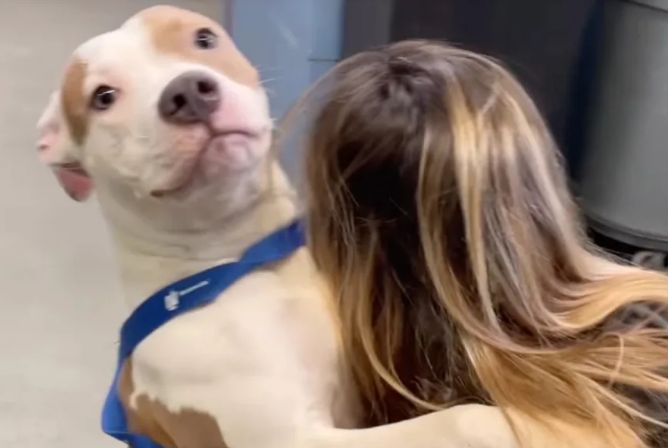
Dog abandoned at airport up for adoption. A dog was found tied up outside the Des Moines airport on December 29. The owner tried to travel with the dog but was denied after being told they had the wrong type of kennel. They then abandoned the dog and boarded their flight. Airport employees brought her in and she has been collected by Animal Rescue League and is being put up f or adoption. The previous owner has been identified and is under investigation.
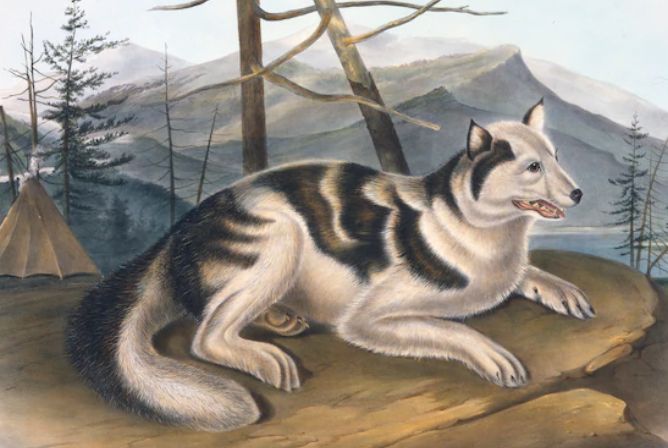
Ancient native dogs in Jamestown. While European dog remains were already present in Jamestown recently discovered remains appear to be ancient indigenous dogs . DNA was recovered from some of the remains connecting them as a relative to another dog found with nearby tribal remains. Knife marks on the bones shows these dogs were likely eaten by settlers in a time of starvation. Researchers hope the remains will help us learn more about these extinct dogs as well as their relationship with First Nations tribes.
Want to learn more about canine nutrition? Our dog parent nutrition course is LIVE! Use this link for 10% off!
P.S. Sign in with your Real Dog email address to read – Gold Members get free access!
You can learn more about raw feeding at Feedreal.com!