The Short Leash, Issue #186
The Short Leash
September 29, 2026
The future of canine healthcare is shifting from simply treating disease to supporting the body's remarkable ability to heal, adapt, and thrive. In this edition of Short Leash, we explore emerging therapies that are changing how veterinarians approach mobility, recovery, and healthy aging. From shockwave therapy, hydrotherapy, and regenerative medicine to nutrient sensing, epigenetics, and the role of heat in rehabilitation, these stories highlight how movement, nutrition, and the body's own repair mechanisms work together to influence lifelong health. We also take a closer look at pet insurance, the science behind sleeping with your dog, and why prevention remains one of the greatest investments we can make in our dogs' future. As always, our goal is to help you look beyond the headlines, think critically about new research, and better understand the science shaping the future of canine health.
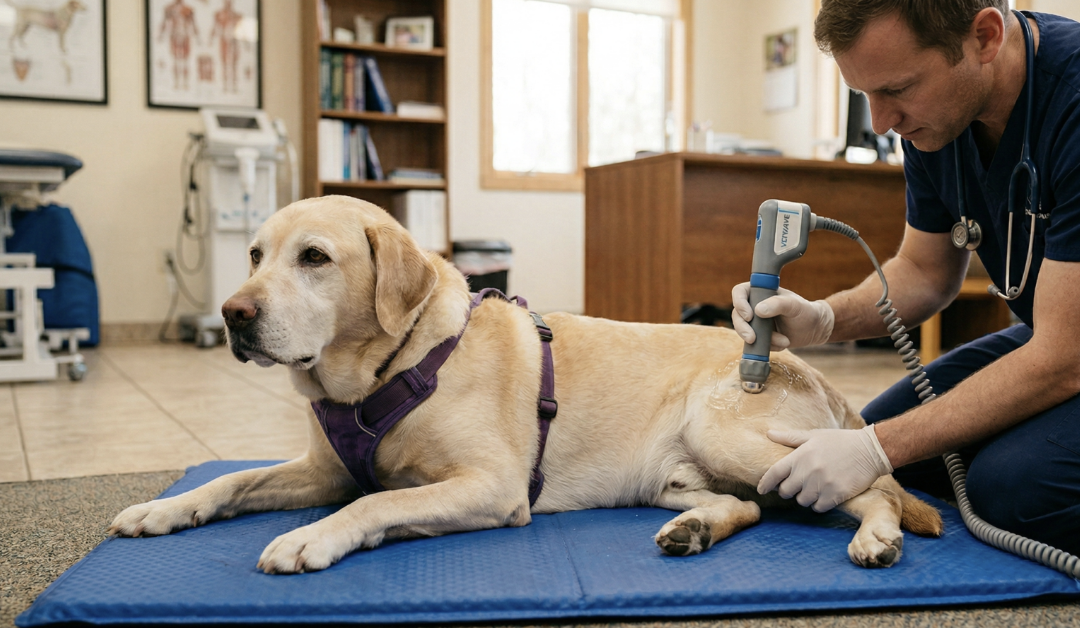
When Sound Becomes Medicine
Shockwave therapy may sound intimidating, but it's actually a non-invasive treatment that uses high-energy sound waves to stimulate healing in damaged tissues. A recent IVC Journal review highlights its growing role in managing canine osteoarthritis, particularly for dogs that continue to experience pain despite medication, rehabilitation, or other therapies. Research suggests shockwave therapy may reduce pain, improve mobility, stimulate blood vessel formation, and promote tissue repair, making it a valuable addition to a multimodal treatment plan. The article emphasizes that shockwave therapy is not a stand-alone cure but works best alongside weight management, appropriate nutrition, therapeutic exercise, and other evidence-based rehabilitation strategies to improve comfort and quality of life for dogs with chronic joint disease.
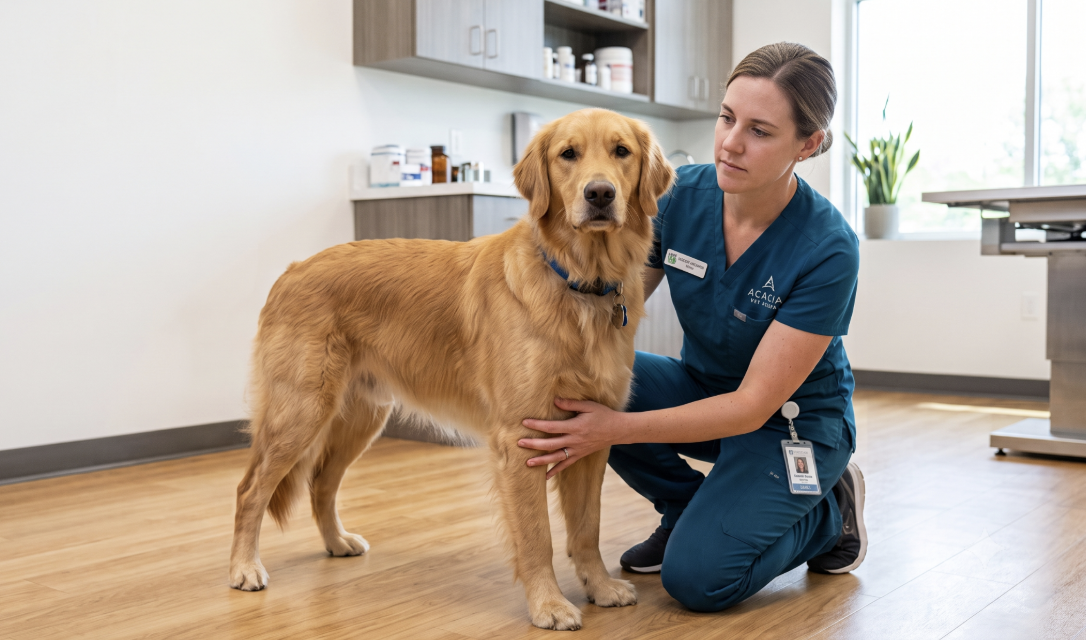
A New Biologic Therapy Shows Promise for Joint Recovery
A recent pilot study explored whether a single injection of a stem cell-derived secretome—a concentrated mixture of naturally occurring proteins and signaling molecules released by stem cells—could improve recovery in dogs undergoing TPLO surgery for cranial cruciate ligament disease. Compared with dogs receiving a placebo, treated dogs experienced earlier improvements in lameness and joint pain, reduced joint effusion, improved cartilage appearance on ultrasound, and less progression of osteoarthritis over the five-month study period. Although the results are encouraging, the study included only 20 dogs, and larger clinical trials are needed before this biologic therapy can become part of routine orthopedic care. Still, it represents another exciting step toward regenerative therapies that may complement surgery, rehabilitation, nutrition, and other multimodal approaches to improving joint health and mobility.
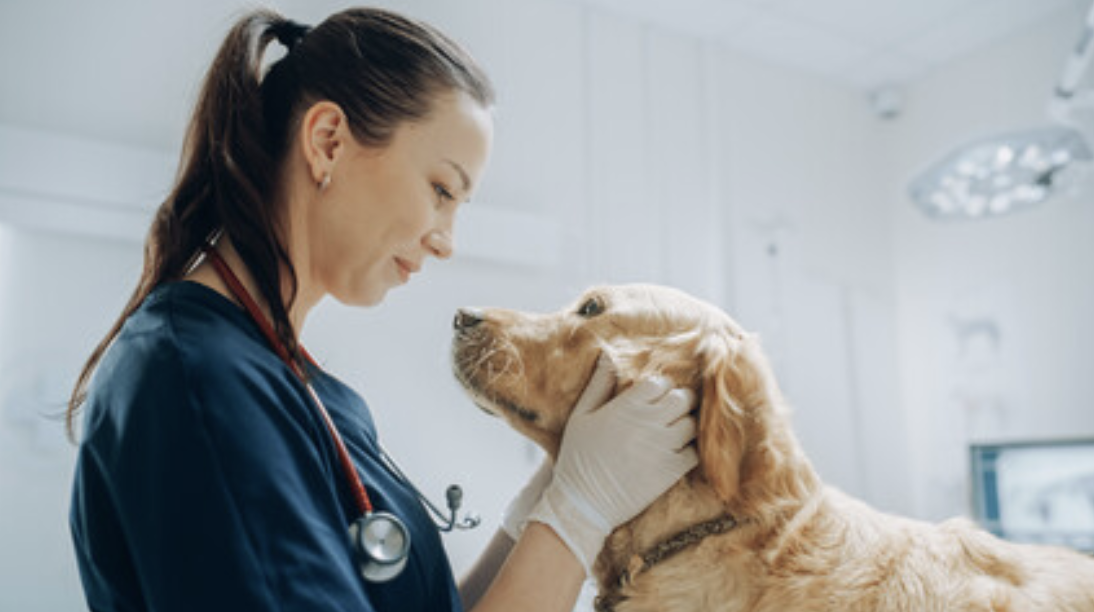
Are Insured Dogs Healthier?
A new study from the Dog Aging Project analyzed data from more than 47,000 dogs and found that about 21% were covered by pet insurance. Insured dogs were more likely to be younger, purebred, and owned by younger, more highly educated individuals, and their owners were slightly more likely to rate their dogs' health as excellent. However, the researchers caution that the study does not show pet insurance makes dogs healthier. Instead, it may reflect that owners who purchase insurance are also more likely to invest in preventive care and pursue veterinary diagnostics. While pet insurance can provide valuable financial protection against unexpected medical expenses, the foundation of lifelong health still begins with proactive care, including good nutrition, regular exercise, and preventive veterinary care.

Healthy Aging Starts Long Before the Senior Years
A recent article explores how epigenetics, the ways nutrition, environmental exposures, stress, exercise, and other lifestyle factors influence gene expression, may play an important role in healthy aging for dogs and cats. Rather than viewing arthritis, cognitive decline, or chronic disease as inevitable consequences of getting older, the article encourages a more proactive approach focused on reducing toxic exposures, providing nutrient-rich diets, encouraging regular activity, and supporting the body's natural repair processes. While many questions about epigenetics remain unanswered, the growing body of research suggests that healthy aging is shaped by far more than genetics alone, reinforcing the idea that daily choices throughout life can meaningfully affect healthspan and quality of life.
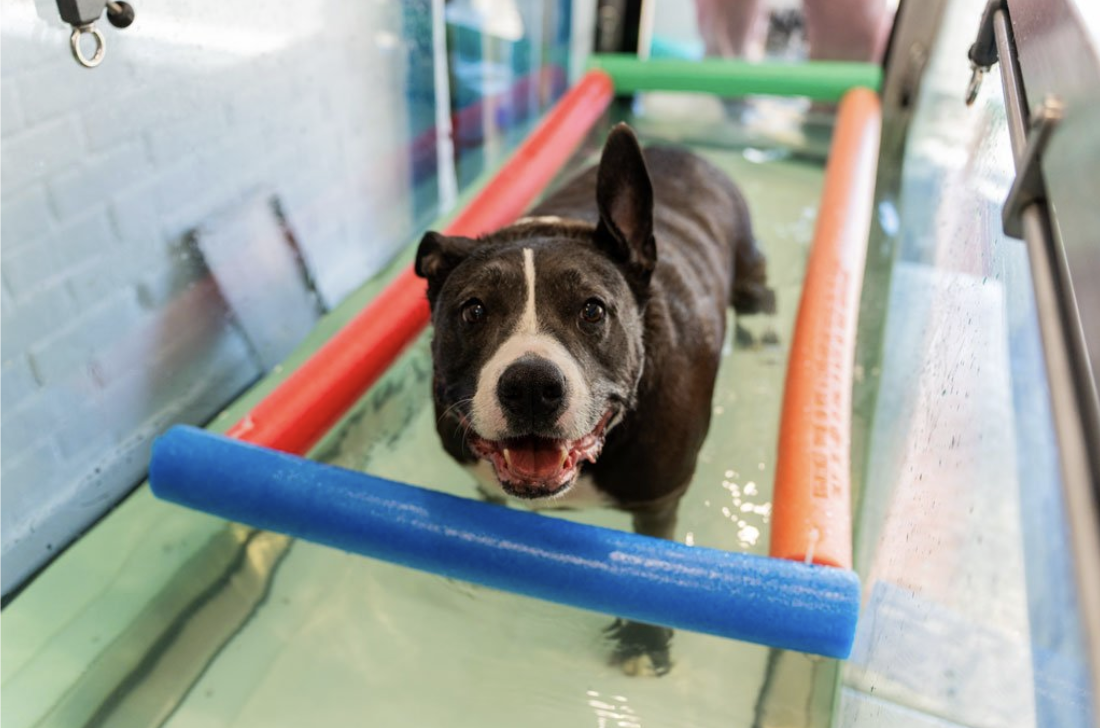
Making a Splash in Rehabilitation
Hydrotherapy has become an increasingly valuable tool in canine rehabilitation, helping dogs recover from orthopedic surgery, neurological injuries, arthritis, obesity, and other mobility challenges. By exercising in water, dogs benefit from buoyancy that reduces stress on painful joints, while water's natural resistance helps rebuild muscle strength, improve balance, and increase range of motion. The article emphasizes that hydrotherapy is not simply swimming—it is a carefully supervised therapy tailored to each dog's condition and goals. While it can be highly effective, the best outcomes occur when hydrotherapy is combined with other rehabilitation techniques, pain management, nutrition, and an individualized treatment plan.
Your Dog's Cells Are Always Listening
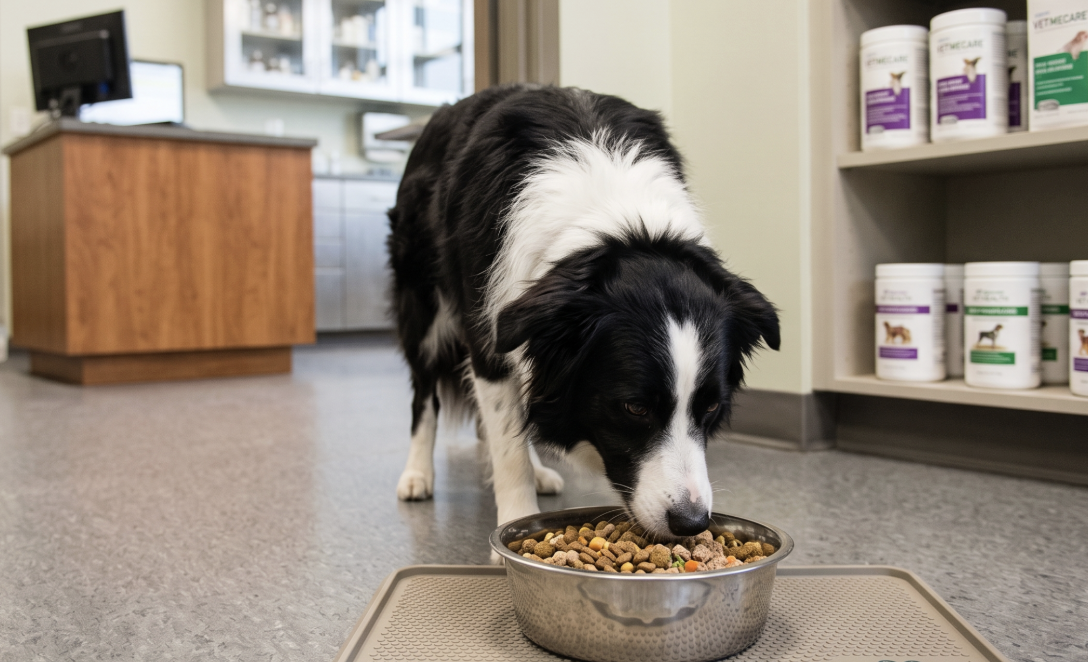
This IVC Journal article explores nutrient sensing, the remarkable process by which every cell in the body continuously monitors nutrient availability and adjusts metabolism, growth, repair, and energy production in response. Rather than simply providing calories, food acts as biological information that influences cellular pathways involved in aging, inflammation, immune function, and overall health. The article suggests that feeding patterns, nutrient quality, and body condition may all affect these nutrient-sensing systems, reinforcing the idea that nutrition is about much more than meeting minimum requirements. While research in companion animals is still evolving, nutrient sensing offers an exciting framework for understanding how everyday feeding choices may help support lifelong health and healthy aging.
When Heat Is the Right Medicine
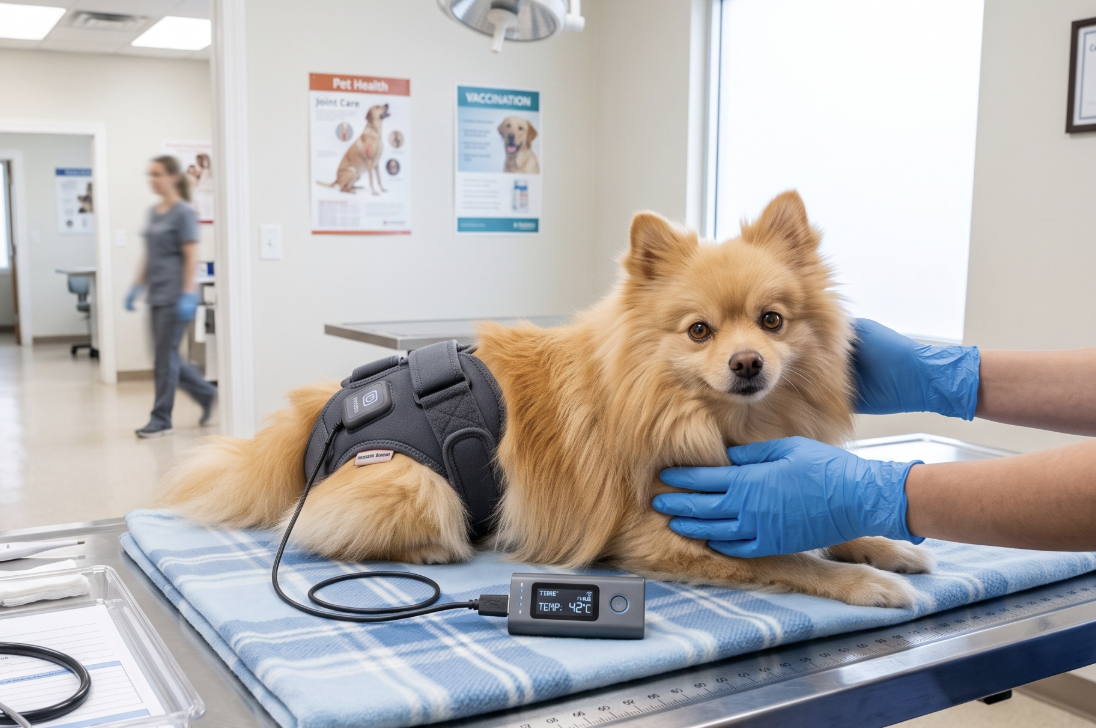
Heat therapy has long been used in human rehabilitation, and a recent IVC Journal article highlights six canine conditions that may benefit from its thoughtful application, including osteoarthritis, hip dysplasia, muscle stiffness, muscle spasms, intervertebral disc disease, and post-surgical recovery. By increasing blood flow, relaxing muscles, improving tissue flexibility, and reducing pain, heat therapy can help dogs move more comfortably and participate more effectively in rehabilitation. The article also emphasizes that timing matters: use heat only after the initial inflammatory phase has subsided and as part of a comprehensive treatment plan that may also include therapeutic exercise, pain management, and nutritional support. When used appropriately, thermotherapy can be a simple, non-invasive way to improve comfort, mobility, and recovery.

Do Women Really Sleep Better with Their Dogs?
If you've ever joked that your dog is a better bed partner than your spouse, science suggests there may be some truth to it. A study of nearly 1,000 women found that dogs were perceived as less disruptive to sleep than human partners and provided greater feelings of comfort and security. Dog owners also tended to maintain more consistent sleep schedules, likely because their dogs encouraged regular routines. However, the researchers did not conclude that women actually sleep better with dogs overall, nor did the study include men. Instead, the findings highlight how the human-animal bond may influence bedtime routines and well-being. As with most things in science, the headline is more exciting than the study itself, but for many dog owners, sharing a bed with a canine companion may simply make for a more comforting night's sleep.
Continue the Conversation on the Podcast
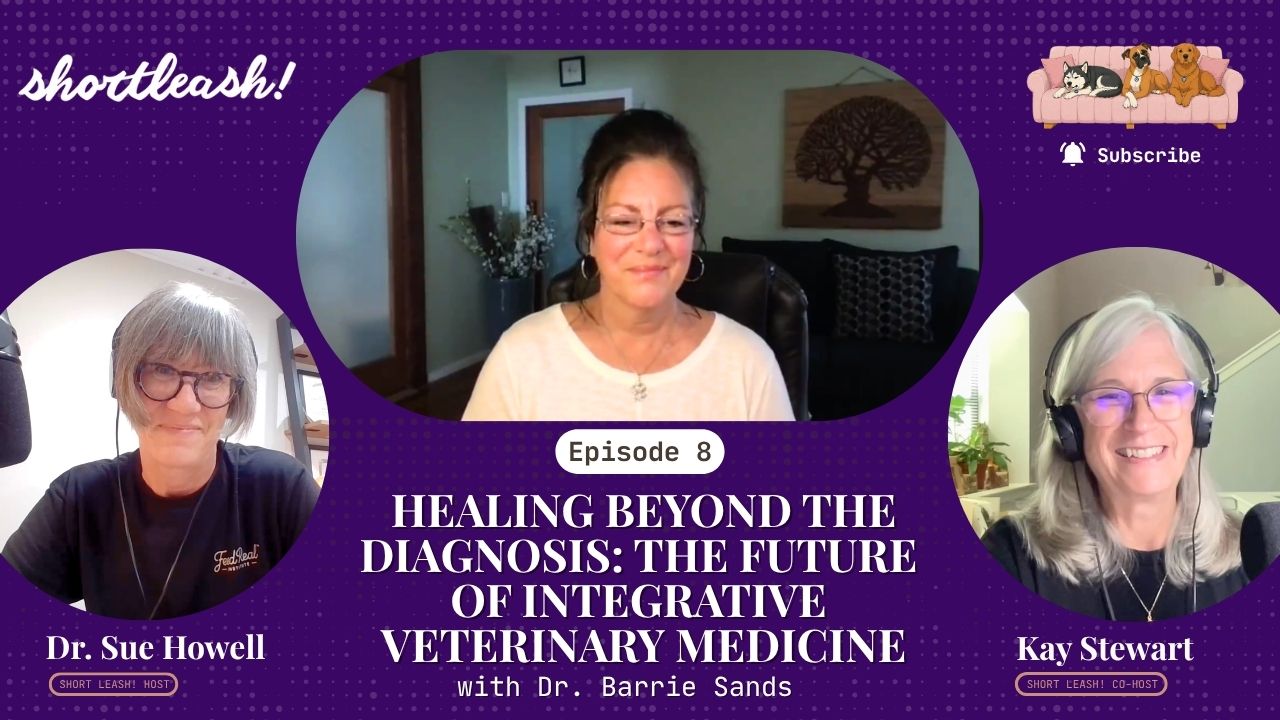
This week's Short Leash Podcast, releasing on October 4, 2026, continues the conversation with Dr. Barrie Sands, an emergency and integrative veterinarian whose work bridges conventional medicine with holistic approaches to healing. Drawing on decades of emergency medicine experience, Dr. Sands integrates evidence-based veterinary care with therapies such as light and sound therapy while exploring the connections between physical, emotional, and energetic health. A journalist, author, international lecturer, and certified HeartMath trainer, she researches Heart-Brain Coherence and interspecies coherence, reflecting a lifelong commitment to understanding how body, mind, and spirit work together to support healing in both animals and humans. Join us as we discuss the evolving role of integrative medicine, the science behind emerging rehabilitation therapies, and why supporting the body's natural healing processes may be one of the most exciting frontiers in veterinary medicine.