The Short Leash, Issue #185
The Short Leash
September 15, 2026
Nutrition is about far more than what's printed on a pet food label. As dog parents become increasingly informed, they're asking deeper questions about ingredient quality, food processing, labeling claims, metabolic health, and what truly constitutes a biologically appropriate diet. This edition of Short Leash explores conversations shaping the future of canine nutrition, from fresh food and metabolic health to food allergies, urinary stone risk, and the growing demand for greater transparency in the pet food industry. Along the way, we also examine how the bond we share with our dogs influences the choices we make for them. As always, our goal is to look beyond the headlines, evaluate the evidence, and help you make informed decisions that support your dog's long-term health and longevity.

Is Fresh Dog Food Too High in Fat?
A class action lawsuit against The Farmer’s Dog is raising questions about how fat content in fresh dog foods is formulated and communicated to dog parents. The lawsuit alleges that some of the company’s recipes contain fat levels that are unnecessarily high for many dogs and may contribute to concerns such as weight gain, gastrointestinal problems, and pancreatitis. These claims are allegations and have not been established as fact by a court, but the case highlights a larger issue in pet nutrition: a food can be marketed as fresh, natural, or nutritionally complete without necessarily being the best fit for every dog. Fat is an essential nutrient and an important energy source, but the right amount depends on the dog, the overall formulation, and how the food is fed. Rather than judging a food by marketing terms or ingredient quality alone, dog parents should consider its complete nutrient profile, calorie density, and suitability for their individual dog.
The Labeling Problem: What Does “No Artificial Preservatives” Really Mean?
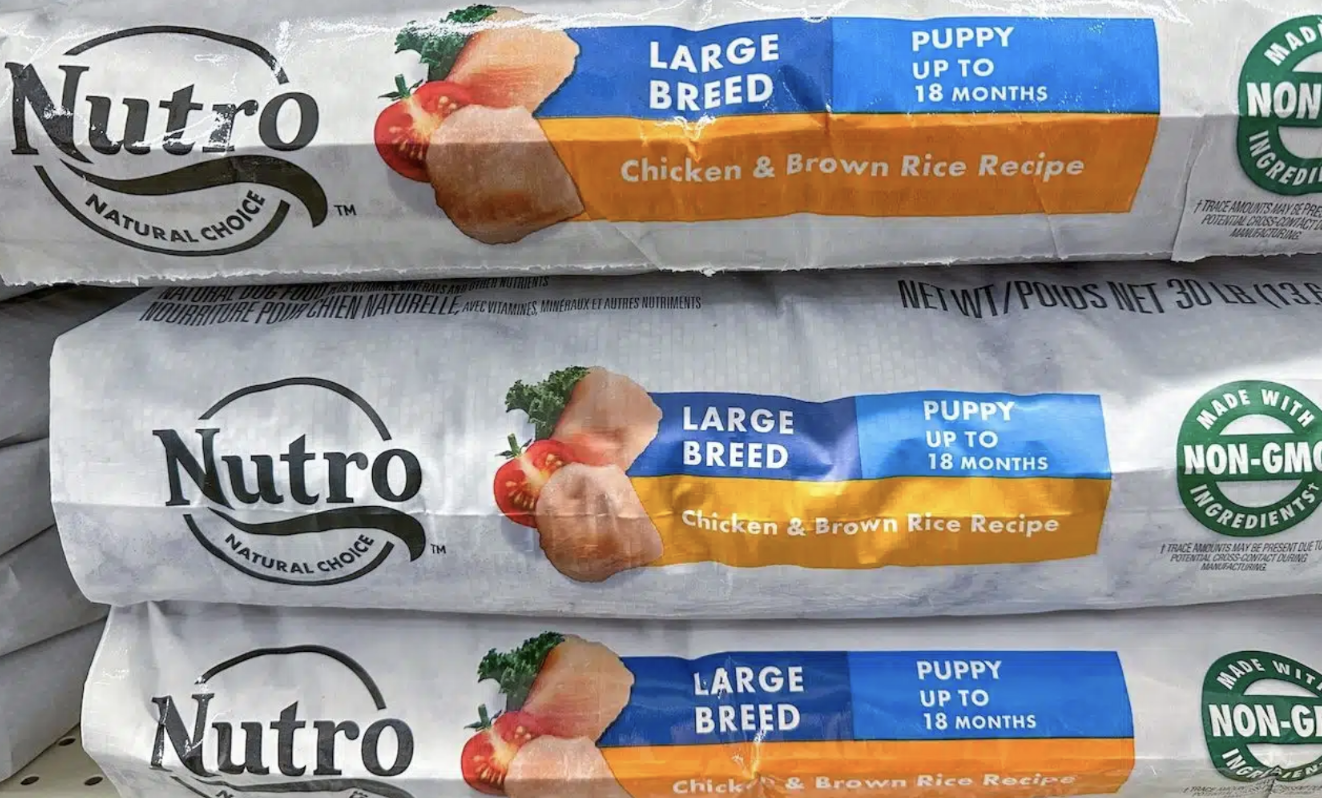
A class action lawsuit against Nutro is raising questions about what pet food companies mean when they advertise products as containing “no artificial preservatives.” The lawsuit alleges that certain ingredients in Nutro dog foods may function as preservatives despite the company’s labeling claims, highlighting how difficult terms such as “natural” and “artificial” can be for consumers to interpret. These allegations have not been established as fact by a court, but the case points to a larger issue in pet food marketing: an appealing statement on the front of the bag may not tell the whole story about why ingredients are included or how they function in the food. As dog parents increasingly seek less-processed foods and greater ingredient transparency, understanding the complete ingredient list and looking beyond front-of-package claims becomes increasingly important.

Is Food Really Causing Your Dog’s Allergies?
When a dog develops chronic itching, ear problems, or digestive upset, people often blame food first, but environmental allergies are more common than true food allergies. When food is the culprit, the reaction is typically associated with specific proteins, and simply switching foods or choosing a product marketed for “allergies” may not identify the problem. A properly conducted elimination diet followed by a food challenge remains the most reliable way to diagnose a food allergy, helping distinguish a true dietary reaction from environmental allergies and other conditions that can produce similar clinical signs. The takeaway for dog parents is to resist the cycle of repeatedly changing foods without knowing what they are trying to eliminate: identifying the underlying trigger makes nutrition a targeted part of the solution rather than another round of trial and error.

Does Kibble and Raw Food Affect Metabolism Differently?
A 2025 study followed 46 Staffordshire Bull Terriers fed either a higher-carbohydrate kibble diet or a lower-carbohydrate raw meat-based diet for a median of 4.5 months and found distinctly different changes in several markers of energy metabolism. Dogs eating kibble experienced increases in HbA1c, total cholesterol, and body weight, while dogs eating the raw diet had decreases in fasting glucose, glucagon, total cholesterol, and the triglyceride-glucose (TyG) index, a marker the researchers explored for the first time in dogs as a possible indicator of insulin resistance. At the end of the study, raw-fed dogs also had lower triglycerides and several cholesterol measures and higher beta-hydroxybutyrate, suggesting greater reliance on fat for energy. Importantly, insulin and another measure of insulin resistance, HOMA-IR, did not change significantly, and the study involved only one breed and a relatively short feeding period. The findings therefore do not establish that one diet will produce better long-term health, but they provide intriguing evidence that diet composition can influence canine metabolism in ways that extend beyond simply supplying calories and essential nutrients.
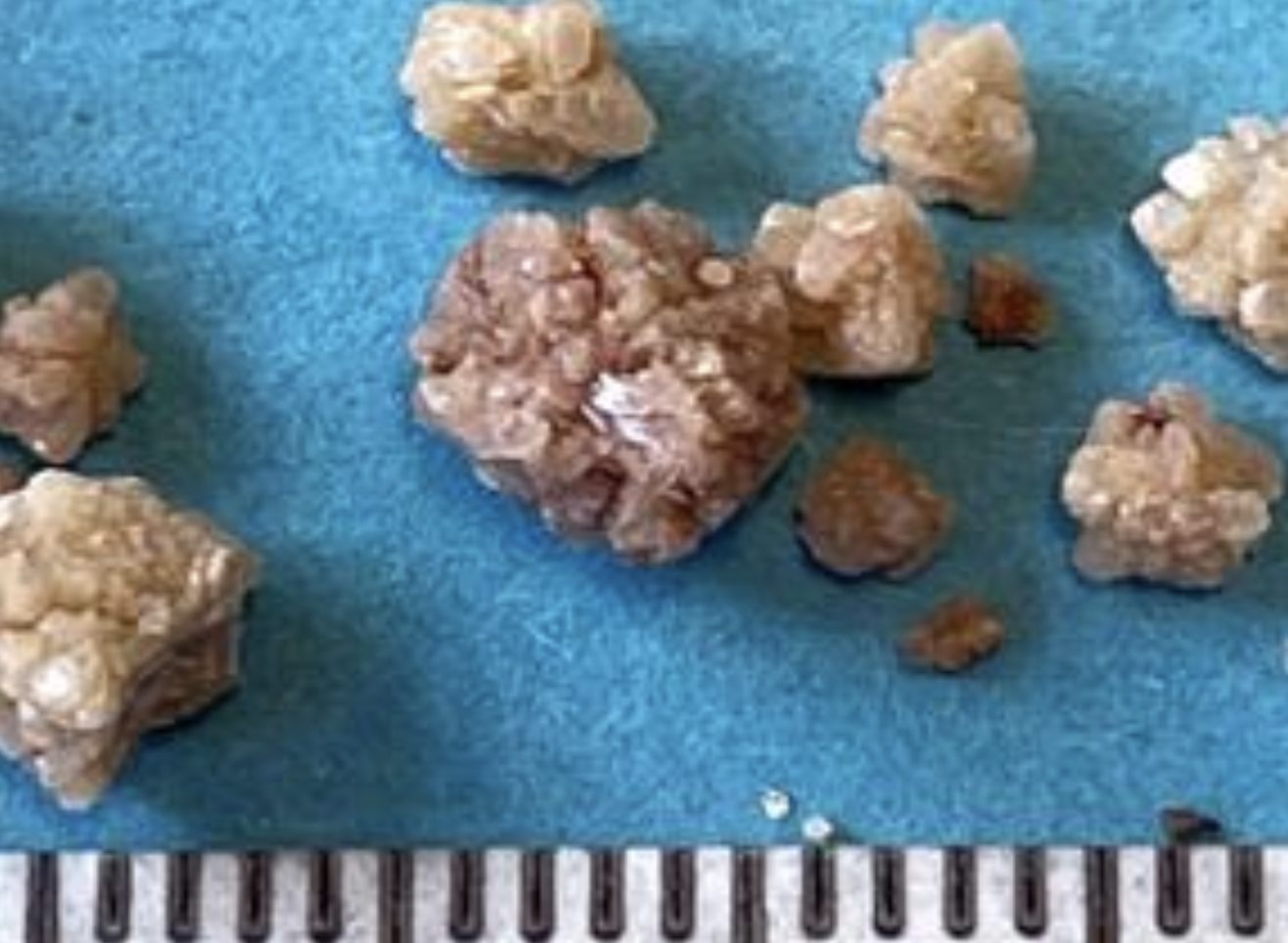
Cases of a rare urinary tract stone type are rising in dogs
The cause is uncertain, but an ingredient common in fresh diets is eyed
As fresh feeding continues to grow, so does the responsibility to get it right. A recent report highlighting an increase in a rare type of urinary stone has raised important questions, but the concern isn’t real food itself. Early findings instead point toward choline bitartrate, a synthetic form of an essential nutrient commonly added to some fresh and homemade diets, as a potential contributor. At Feed Real, this is exactly why we emphasize properly formulated, whole-food-based nutrition over reliance on isolated supplements, because nutrients don’t exist in isolation in nature. For example, eggs provide a rich, natural source of choline in a form the body is designed to use. When we understand not just what we feed, but how it’s built, we can better protect dogs from preventable health issues like bladder stones. To read the peer-reviewed study, click here.

The Feeling’s Mutual: How Pet Wellness Benefits Both Pets and Their Humans
We often talk about nourishing dogs, but the relationship goes both ways. The bond we share with our dogs is deeply symbiotic, shaping not only their health and happiness but our own. Research continues to show what many of us already feel. Dogs support our mental well-being, reduce stress, and encourage healthier, more active lifestyles. As more people recognize their dogs as true family members, that connection is influencing how we care for them, from the rise in fresh food to a greater focus on preventative health and overall wellness. When we choose to feed and care for our dogs with intention, we are not just improving their lives; we are strengthening a relationship that enriches our own.
Read our Feed Real article, Behavioral Synchrony and Environmental Sentinels- Enhancing the Human-Animal Bond, for further exploration into this topic.

The best dry dog food for every life stage, according to veterinarians
Dry dog food remains the most common feeding choice for many dog parents, but a recent NBC article reminds us that there is no single "best" kibble for every dog. Veterinarians interviewed emphasized that age, breed, size, activity level, digestive health, and individual nutritional needs should all factor into diet selection. Rather than relying on marketing claims or trendy labels, they recommend choosing foods that are complete and balanced, supported by nutritional research, and appropriate for the individual dog. As dog parents become more informed about nutrition, the focus is shifting from brand recognition to finding the diet that best supports each dog's long-term health.

Don’t Miss Our Next Short Leash Podcast Episode!
This week's Short Leash Podcast features Ruby Balaram, Director of the Feed Real Institute and Founder & CEO of Real Dog Box. Ruby has dedicated her career to helping veterinarians, dog professionals, and dog parents cut through the confusion surrounding canine nutrition. Drawing on her background in international trade and her passion for transparency in the pet food industry, she explains why feeding real food often feels more complicated than it should be, what dog owners still misunderstand about balanced nutrition, and how education, not marketing, is the key to making informed feeding decisions. Join us as we discuss why ingredient quality, nutritional balance, and transparency all matter, and how thoughtful daily choices can help shape a dog's lifelong health.