Short Leash, Issue #189
The Short Leash
November 10, 2026
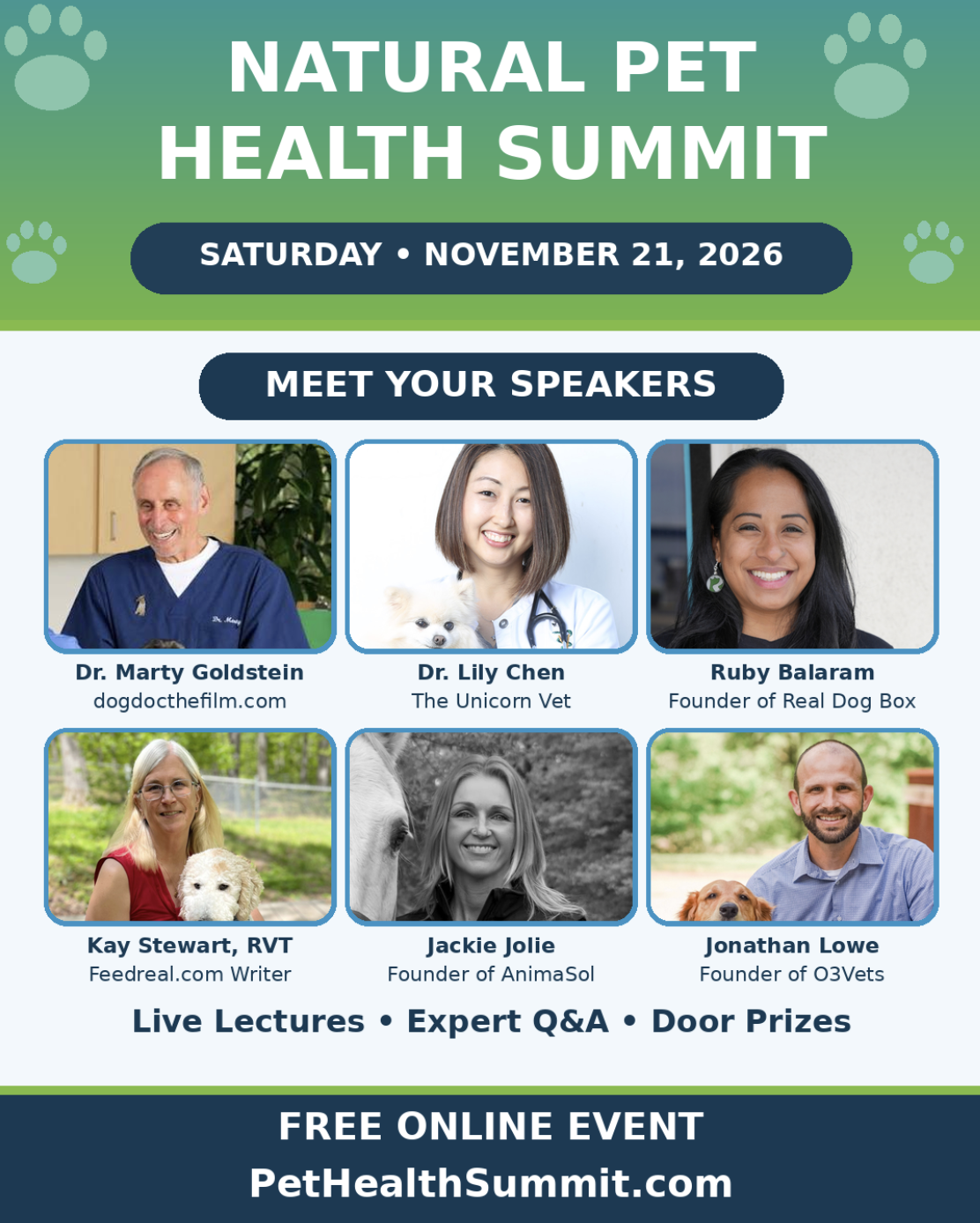
We're Speaking at the Natural Pet Health Summit!
We're excited to share that Kay Stewart from the Feed Real Institute and Ruby Balaram from Real Dog, Inc. will be featured speakers at the upcoming Natural Pet Health Summit! This virtual event brings together pet health experts to explore natural approaches to helping our furry companions live healthier, happier lives. Ruby will share how whole foods can support dogs facing six common health concerns, while Kay will explore how whole-food nutrition helps prepare the body for therapeutic treatments like ozone therapy. It's a great opportunity to learn more about the powerful connection between nutrition and whole-body wellness. We hope you'll join us!
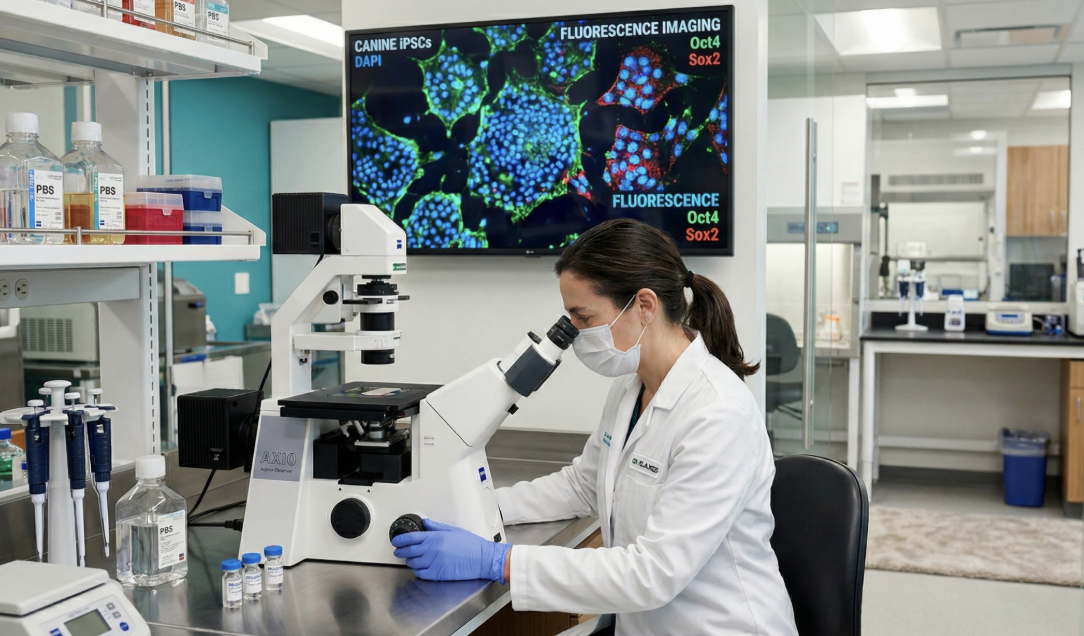
The Future of Stem Cell Therapy
Stem cell therapy continues to evolve beyond its early use for osteoarthritis and orthopedic injuries. A recent AAHA review highlights advances in regenerative medicine ranging from mesenchymal stem cells already being investigated for conditions such as chronic kidney disease and feline gingivostomatitis to the exciting potential of induced pluripotent stem cells (iPSCs), which can develop into nearly any cell type in the body. Researchers are also exploring how stem cells may promote healing through the signaling molecules they release rather than by becoming new tissue themselves. While many of these therapies remain experimental, the field is moving rapidly toward treatments designed to repair damaged tissues, reduce inflammation, and improve quality of life. As regenerative medicine advances, stem cells may become an increasingly important tool for supporting healthy aging and helping dogs recover from injury and disease.
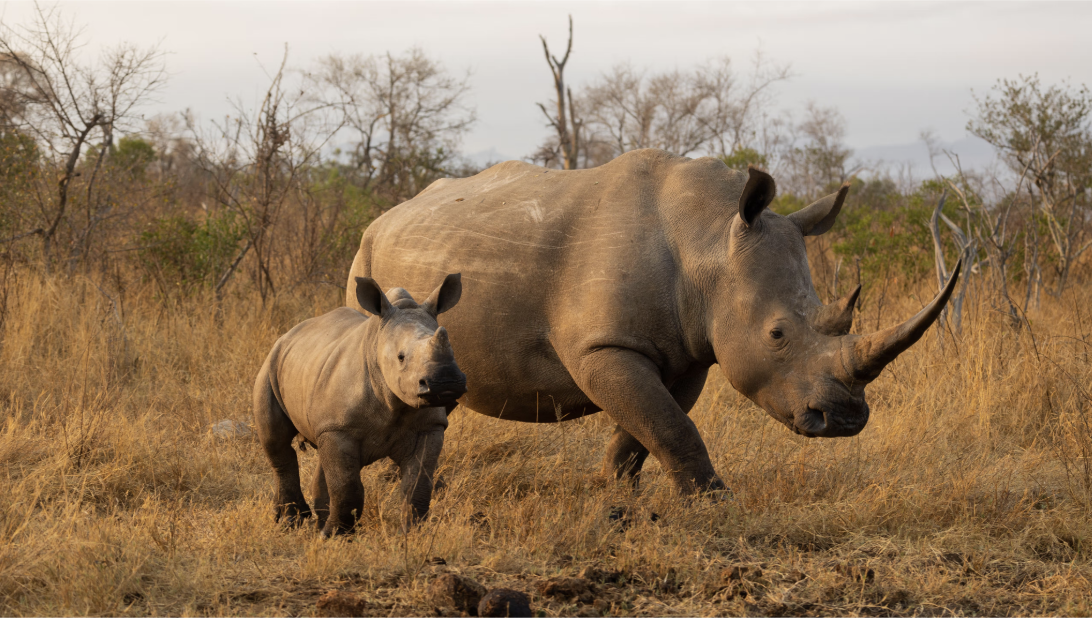
The Hidden Wildlife Victims of the Opioid Crisis
The opioid epidemic may be creating an unexpected conservation problem. A recent DVM360 article highlights growing concerns that illegally manufactured fentanyl and other synthetic opioids are contaminating ecosystems, exposing wildlife through discarded drug paraphernalia, wastewater, poisoned prey, and direct environmental contamination. Veterinarians, wildlife rehabilitators, and conservationists are increasingly encountering affected animals, raising important One Health questions about how human public health crises can ripple through entire ecosystems. While much remains to be learned about the long-term effects on wildlife populations, the article reminds us that protecting animal health often means protecting the environment we all share.
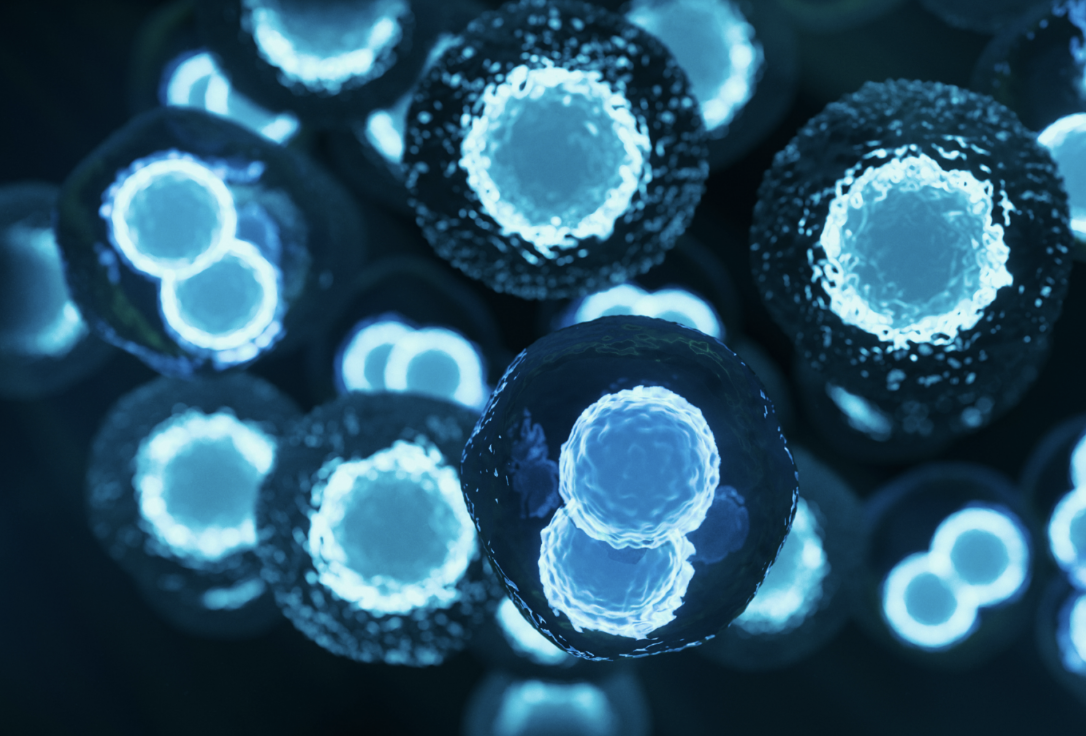
A New Generation of Stem Cells Shows Promise
A recent Frontiers in Veterinary Science study highlights the potential of Muse-like stem cells, a specialized type of stem cell that appears to be more resilient and better able to locate and repair damaged tissues than conventional mesenchymal stem cells. Researchers developed a new method to increase the number of these cells in the laboratory and then used them to treat a cat with severe hepatitis and a 16-year-old dog with chronic kidney disease after conventional therapies had failed. Both animals showed marked improvements in clinical signs and laboratory values, and the older dog also showed improved vitality. While these results come from only two clinical cases and larger controlled studies are still needed, the research represents an exciting step forward in regenerative medicine and suggests that next-generation stem cell therapies may one day help treat chronic, age-related diseases by supporting the body's natural repair mechanisms.
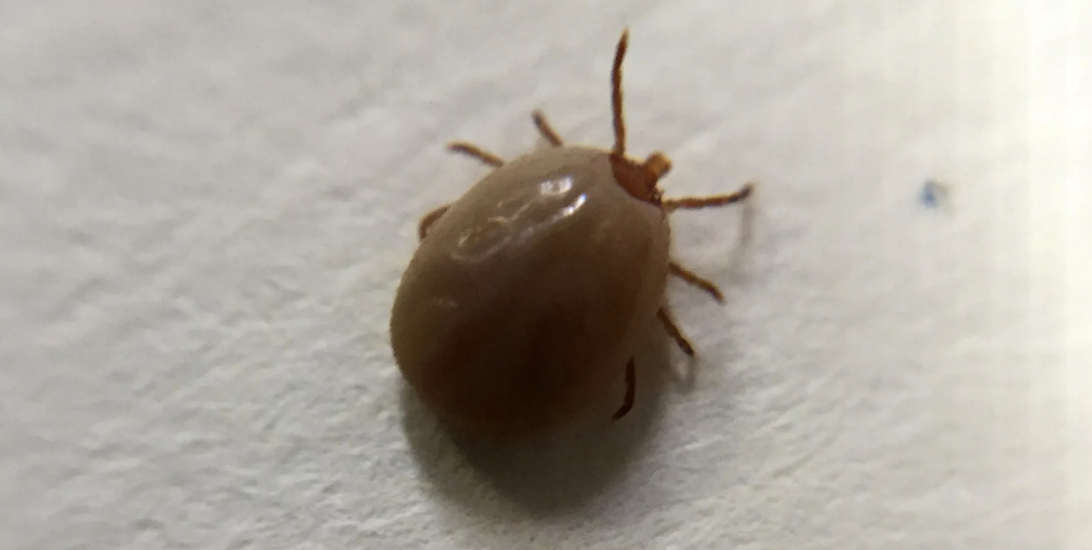
The Rising Threat Of Tick-Borne Diseases In America—Here’s What To Know
Tick-borne diseases are increasing across North America as warmer temperatures, changing landscapes, and expanding wildlife habitats allow ticks to thrive in new regions. A recent Forbes article highlights the rise of illnesses such as Lyme disease, Rocky Mountain spotted fever, and alpha-gal syndrome, emphasizing that prevention remains the best defense. For dog owners, this means staying vigilant with year-round tick prevention, performing thorough tick checks after outdoor activities, and promptly removing any attached ticks. As more families spend time hiking, camping, and exploring with their dogs, awareness and early prevention have become essential for protecting both canine and human health from these expanding vector-borne threats.

Can Dogs Unlock the Secrets to Healthy Aging?
A new study introduces the OLD-DOG Project, an ambitious international research initiative designed to better understand why some dogs age more successfully than others. Unlike studies that focus on a single disease, the researchers are taking a whole-body approach by following more than 200 companion dogs over time while collecting information on their genetics, metabolism, physical fitness, cognitive function, gut microbiome, frailty, lifestyle, and environment. The goal is to identify biomarkers of biological aging—measurable changes that may reveal how well a dog is aging before chronic disease develops. Because dogs share our homes, lifestyles, and many of the same age-related diseases, researchers believe they are uniquely positioned to help uncover the factors that influence healthspan rather than simply lifespan. Ultimately, the OLD-DOG Project may help veterinarians identify dogs at risk for age-related decline earlier, opening the door to more personalized strategies that promote healthy aging, improve quality of life, and benefit both canine and human medicine.

Can Nutrition Help Your Dog's Stem Cells Thrive?
A comprehensive new review in Stem Cell Research & Therapy explores how natural products may enhance the effectiveness of stem cell therapy in veterinary medicine. Researchers examined medicinal herbs, phytochemicals, algal extracts, and other bioactive compounds with antioxidant, anti-inflammatory, and tissue-supporting properties. Rather than creating new stem cells, many of these natural compounds appear to influence the environment in which stem cells function by supporting their survival, proliferation, migration, and ability to repair damaged tissues. While much of the research remains experimental, the review highlights an exciting shift in regenerative medicine: nutrition and natural bioactive compounds may one day complement stem cell therapies, offering safer and more sustainable approaches to promoting healing, reducing inflammation, and supporting healthy aging in companion animals.

The Next Evolution of Veterinary Telemedicine
As veterinary telemedicine continues to grow, one of its biggest challenges remains the lack of real-time patient data. A recent industry announcement highlights emerging technologies that combine wearable health monitors with telemedicine, allowing veterinarians to remotely track vital signs, activity levels, respiration, sleep, and other health metrics between appointments. While the announcement centers on a new commercial platform, it reflects a broader shift in veterinary medicine toward continuous health monitoring rather than relying solely on periodic clinic visits. As these technologies continue to evolve, they may help veterinarians detect subtle changes earlier, monitor chronic diseases more effectively, and personalize treatment plans based on objective data collected in a dog's normal home environment. Although these systems are still emerging, they offer an intriguing glimpse into the future of preventive and individualized veterinary care.
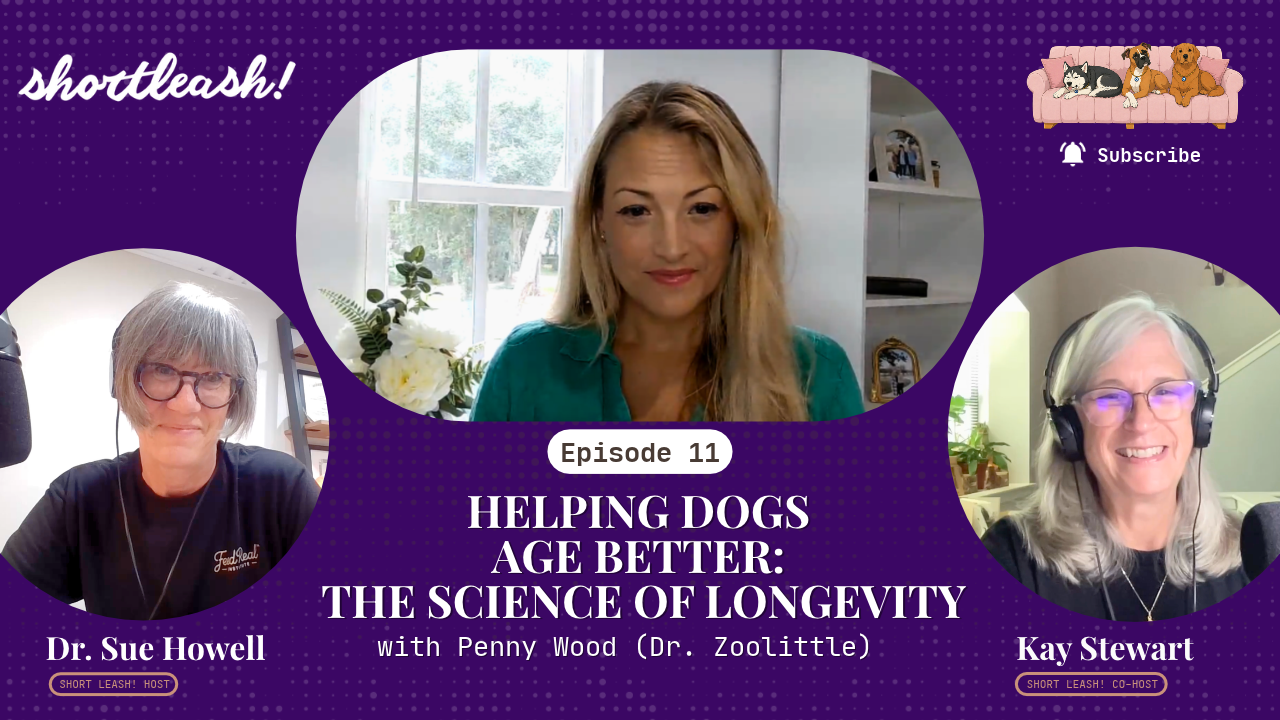
Continue the Conversation on the Podcast
This week's Short Leash Podcast, releasing on November 15, 2026, features Penny Wood, a longevity zoologist whose mission is to help animals live healthier, longer lives by supporting the body's natural ability to repair, regenerate, and adapt. Drawing from the fields of regenerative medicine, functional medicine, animal behavior, and wildlife biology, Penny teaches pet parents and animal professionals how everyday choices, from nutrition and movement to environmental exposures and stress, can influence the aging process. Join us as we explore the fascinating world of stem cells, regenerative biology, and healthy aging, and discuss why longevity isn't simply about adding years to life—it's about helping our dogs remain active, resilient, and thriving throughout every stage of life.