Short Leash, Issue #188
The Short Leash
October 27, 2026
Veterinary medicine is becoming increasingly precise, giving us better tools to ask an important question: what does this individual dog actually need? In this edition of Short Leash, we're exploring how evidence is challenging long-standing practices and opening the door to more individualized care. From vaccine decisions and rabies prevention to antibiotic resistance, advanced infection testing, liquid biopsies for cancer, and treatment-resistant ear infections, these stories show how diagnostics and emerging technologies help veterinarians make more targeted decisions. The goal isn't necessarily to do more; it's to use the information we have to make better choices for each dog's health.

One Shot, Two Diseases: Is More Always Better?
A newly approved canine vaccine combines protection against Lyme disease and leptospirosis in a single injection, offering veterinarians another option for dogs considered at risk for both diseases. While combination vaccines can reduce the number of injections a dog receives, their introduction also raises an important question: how much vaccination does an individual dog actually need at one time? Vaccine reactions are uncommon, but studies show that smaller dogs and dogs receiving multiple vaccine injections in the same visit have a higher risk of adverse events. AAHA therefore recommends considering the individual dog's age, size, health, vaccination history, and disease exposure and, for dogs at increased risk of reactions, limiting the number of vaccines administered during a single visit. Importantly, current evidence does not show that combination vaccines themselves are inherently more dangerous than single-component vaccines. The goal should be thoughtful, individualized vaccination—providing necessary protection while avoiding unnecessary antigenic exposure whenever possible.

Does Changing the Needle Make Vaccines More Comfortable?
A randomized clinical trial published in JAVMA challenged a common veterinary practice: replacing the needle used to draw up a vaccine before giving the injection because puncturing the vial is thought to dull the needle. Researchers studied 75 dogs receiving routine rabies and combination vaccines, comparing injections given with a new needle to those given with the same needle used to draw up the vaccine. They found no meaningful differences in the dogs’ heart rates or behavioral reactions, and the veterinarians and veterinary staff administering the vaccines could not reliably tell which needles had been replaced. The researchers concluded that, following a single vial puncture, changing the needle does not appear to make vaccination more comfortable and may simply add cost, medical waste, and potential needle-stick risk. While seemingly a small detail, the study shows why even long-standing veterinary practices should be periodically evaluated with clinical evidence rather than continued simply because “that’s how it’s always been done.”
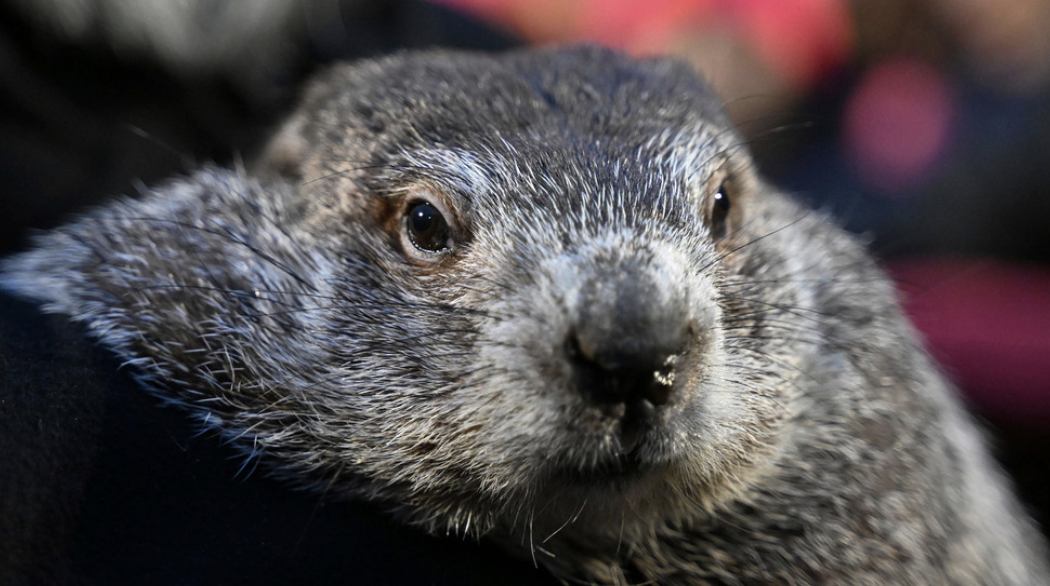
Understanding Rabies Risks After Rhode Island Wildlife Exposure Incident
The Rhode Island Department of Health (RIDOH) is warning residents after a woodchuck (groundhog) found in the Riverside section of East Providence tested positive for rabies on June 4. The animal was found near Cul De Sac Way, and officials submitted a second woodchuck captured in the area for testing the following day.
Health officials reported that four people and two dogs were exposed to the rabid woodchuck. All four people have begun post-exposure rabies treatment, while the dogs received rabies vaccine boosters.
Because rabies is almost always fatal once symptoms appear, RIDOH is urging anyone who may have had direct contact with the animal to seek medical guidance immediately. Officials also reminded pet owners to keep rabies vaccinations up to date and avoid contact with wild animals. Additional prevention measures include supervising pets outdoors, keeping dogs leashed or in fenced areas, and securing garbage that may attract wildlife.

Could Viruses Become an Alternative to Antibiotics?
As antibiotic resistance grows in both human and veterinary medicine, researchers are revisiting an unusual potential ally: bacteriophages, naturally occurring viruses that infect and destroy specific bacteria. Unlike broad-spectrum antibiotics, which can disrupt beneficial bacteria along with harmful ones, researchers can select phages to target specific disease-causing bacteria while leaving much of the microbiome intact. Potential applications in veterinary medicine include difficult-to-treat infections of the skin, ears, urinary tract, wounds, and gastrointestinal system, especially when bacteria have become resistant to conventional antibiotics. Phage therapy is not yet a routine replacement for antibiotics, and challenges remain, including identifying the right phage for a particular infection, standardizing treatments, and establishing regulatory guidelines. Still, this emerging field could eventually provide veterinarians with another targeted tool for treating bacterial infections while helping address the growing problem of antimicrobial resistance.
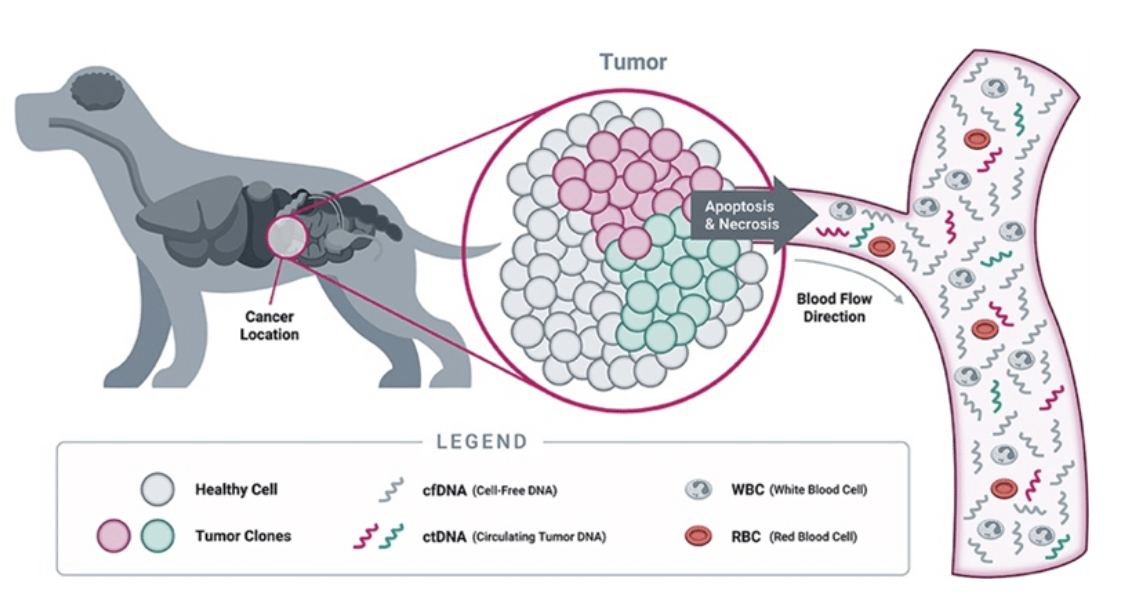
Could a Blood Test Help Detect Cancer in Dogs?
A new Frontiers in Veterinary Science study evaluated OncoCan, a liquid biopsy that measures cell-free DNA (cfDNA) in the bloodstream. Dogs with cancer had significantly higher cfDNA levels than healthy dogs, with the test performing particularly well for lymphoma and leukemia. Higher levels were also associated with more aggressive disease and poorer survival. While larger studies are needed before this type of liquid biopsy becomes a routine cancer-screening tool, the research points toward a future in which a blood sample could complement imaging and tissue biopsies and potentially help veterinarians monitor cancer over time with fewer invasive procedures. Importantly, the test isn't yet accurate enough to diagnose cancer on its own, but it represents another promising step toward earlier detection and more personalized cancer care for dogs.

A New Way to Find the Cause of Mysterious Infections
When conventional testing can't identify what's making a dog sick, shotgun metagenomics may offer another way to find answers. This emerging diagnostic technology sequences all the genetic material in a sample rather than searching for one suspected pathogen at a time, potentially identifying bacteria, viruses, fungi, and parasites—including unexpected organisms that traditional cultures or PCR testing might miss. While cost, availability, and interpretation currently limit its routine use, shotgun metagenomics could eventually help veterinarians diagnose complex infections more precisely while also providing valuable information about antimicrobial resistance.

When a Dog’s Yeast Ear Infection Stops Responding
Recurring yeast ear infections can be frustrating, and researchers are finding that some Malassezia strains, the yeast commonly associated with canine ear infections, are developing resistance to miconazole, a frequently used antifungal medication. Genetic changes can make these yeasts less susceptible to treatment, highlighting the importance of using antifungals appropriately rather than repeatedly escalating medications when infections return. Just as importantly, recurrent infections often have an underlying trigger, such as allergies or chronic inflammation, that also needs to be addressed. While integrative approaches may help support the ear microbiome, reduce inflammation, and discourage recurrence, moderate or severe infections still require appropriate veterinary treatment. Emerging resistance also reminds us that treating the cause of recurring disease, not just repeatedly treating its symptoms, is essential for long-term health.

We're Speaking at the Natural Pet Health Summit!
We're excited to share that Kay Stewart from the Feed Real Institute and Ruby Balaram from Real Dog, Inc. will be featured speakers at the upcoming Natural Pet Health Summit! This virtual event brings together pet health experts to explore natural approaches to helping our furry companions live healthier, happier lives. Ruby will share how whole foods can support dogs facing six common health concerns, while Kay will explore how whole-food nutrition helps prepare the body for therapeutic treatments like ozone therapy. It's a great opportunity to learn more about the powerful connection between nutrition and whole-body wellness. We hope you'll join us!

Continue the Conversation on the Podcast
That same idea, using evidence to make individualized healthcare decisions, is at the heart of our conversation with Dr. Jean Dodds on the Short Leash Podcast, releasing Sunday, November 1, 2026. Dr. Dodds is a pioneering veterinary hematologist, founder of Hemopet, and longtime leader in veterinary laboratory science, comparative medicine, and animal health. In this episode, we take a deeper look at vaccines and titers, including what antibody titers measure, how they are interpreted, when they can show immunity, and how they may inform vaccination decisions. Rather than viewing vaccination as an all-or-nothing conversation, we'll explore how testing, disease risk, vaccination history, and the individual dog can all fit into a more thoughtful approach to preventive care.